How a fashion showroom selects its brands: the Clothette approach
Published

Antoine Leneuf, CEO of the Clothette showroom, explains how to build a wholesale brand offering: neither all trendy, nor all classic, nor all premium. A philosophy of sharp and assumed curation.
A showroom is, first and foremost, a point of view
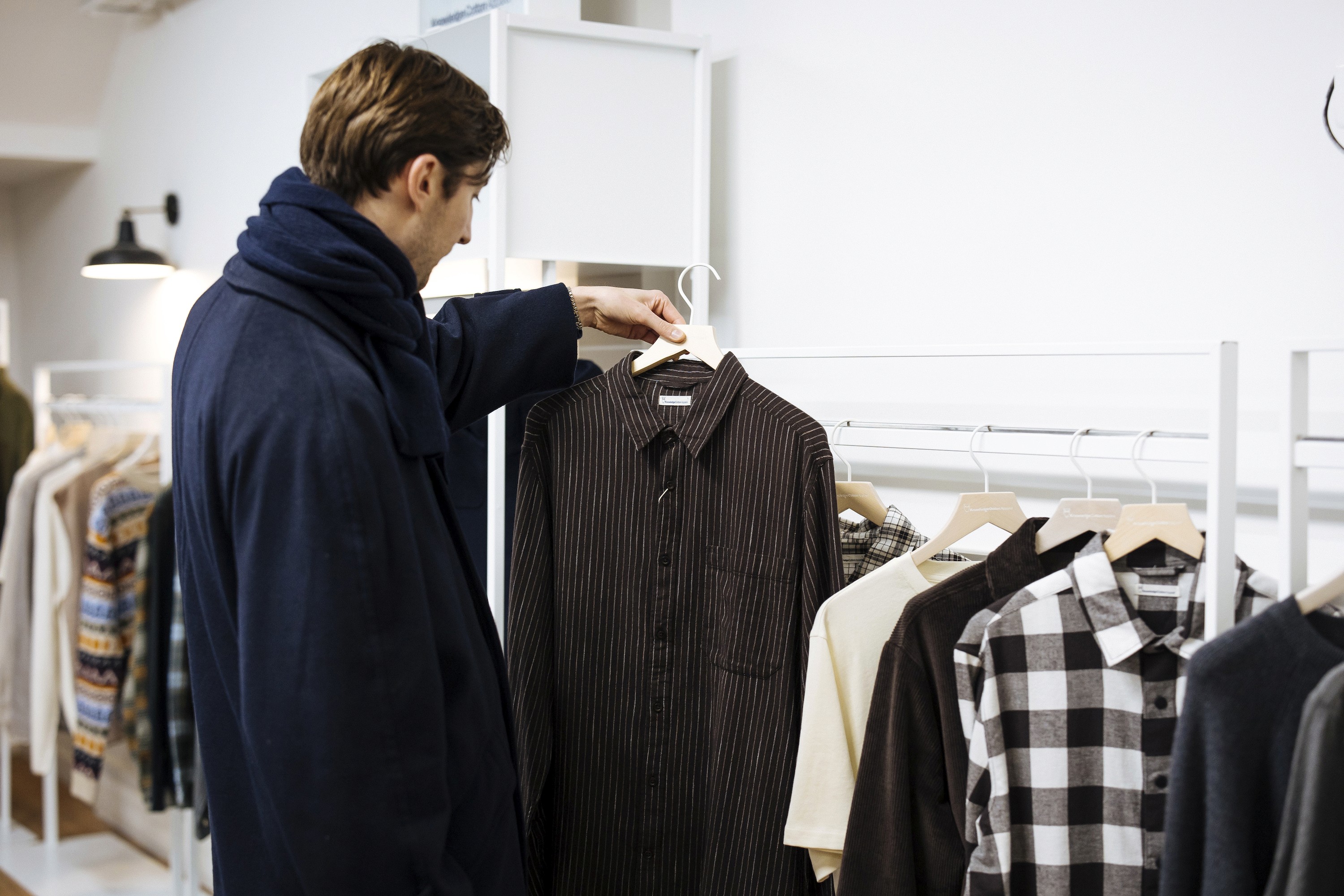
One could imagine that a wholesale showroom is built by accumulation: you take the brands you can get, you fill the racks, and you sell. The reality of an agency like Clothette is more structured than that. "We offer a very wide variety of options compared to many of our competitors," explains Antoine Leneuf. "Most showrooms operate in a very compartmentalized way: one does only streetwear, another only heritage menswear, another only Italian style. We do not put up these barriers."
This choice is not accidental. It reflects the profiles of the three partners who run the agency. "The brands I manage have a sustainable and lifestyle profile. Sinan's have a fashion lifestyle identity. As for Juan, his portfolio is focused on classic premium. The three of us come together in this diversity."
"Our selection prism has evolved with the showroom's maturity. Today, we look for brands that complement each other in terms of products, that have marketing clout, and above all, an identifiable product expertise. Baracuta and its Harrington, Hunter and its boot, Sunspel and its t-shirt: each brand has a clear specificity. And if a brand comes in, a brand goes out."
A wide offering, but not without logic
Blocks, without rigid boundaries
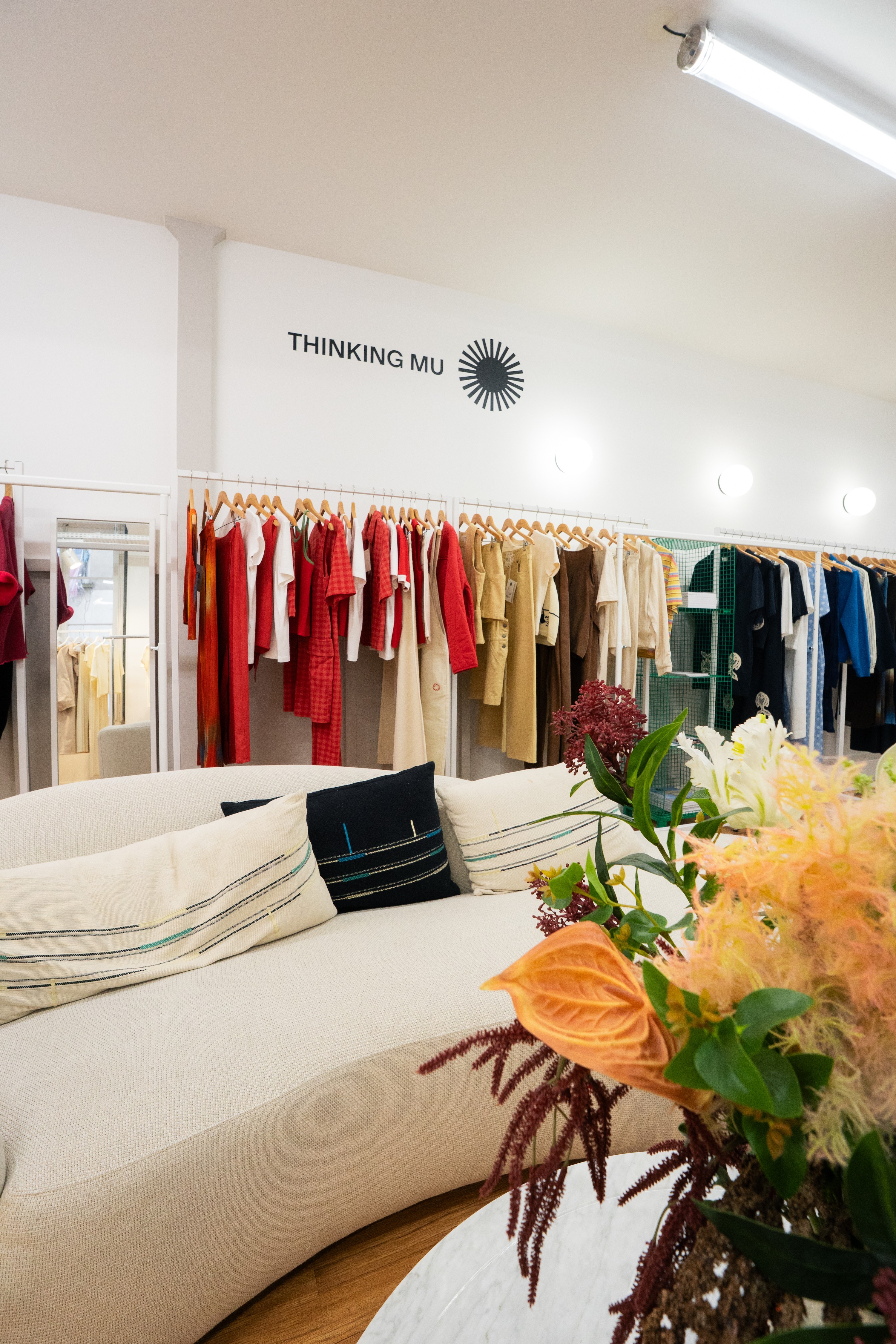
The Clothette portfolio consists of coherent yet permeable blocks of offerings. "The blocks do not always have such clear boundaries," specifies Antoine. There are technical sneaker brands like Salomon, urban accessories like Topologie, ethical fashion brands like Thinking Mu, heritage outerwear like Hunter or Mackintosh, and trendier proposals like Norse Projects or Bram's Fruit.
"This broad spectrum is not fixed. Clothette has gone through several phases: a strong anchor in Scandinavian brands in its early days, then an assumed eco-responsible turn for several years, before expanding toward brands with strong product heritage. Today, both coexist."
What links these seemingly distinct worlds is a particular conception of the word "premium". "The word premium is overused. All our brands are premium. They have different styles and expertise that place them more or less on-trend, more fashion or more classic, and from mid-range to high-end."
Price does not define positioning
One of the most interesting aspects of Clothette's offering is the way it deconstructs the usually assumed correlation between price and distribution environment. "Salomon is distributed just as much in mid-range sneaker shops as in very hyped, cutting-edge concept stores. And yet, the product price hasn't changed." The same logic applies to Topologie: "Very premium stores sell a product that has a sharp image, but is not expensive in itself." Or Hunter: "It's a product that is not expensive, but is associated with a premium, classic, bourgeois image. So it can fit into the selection of very fashionable stores if that's the current trend, as well as into very classic stores."
What this reveals is that a professional buyer does not choose a brand solely for its retail price, but for what it says about their assortment, identity, and clientele.
How it actually works with buyers
One appointment, several possible brands
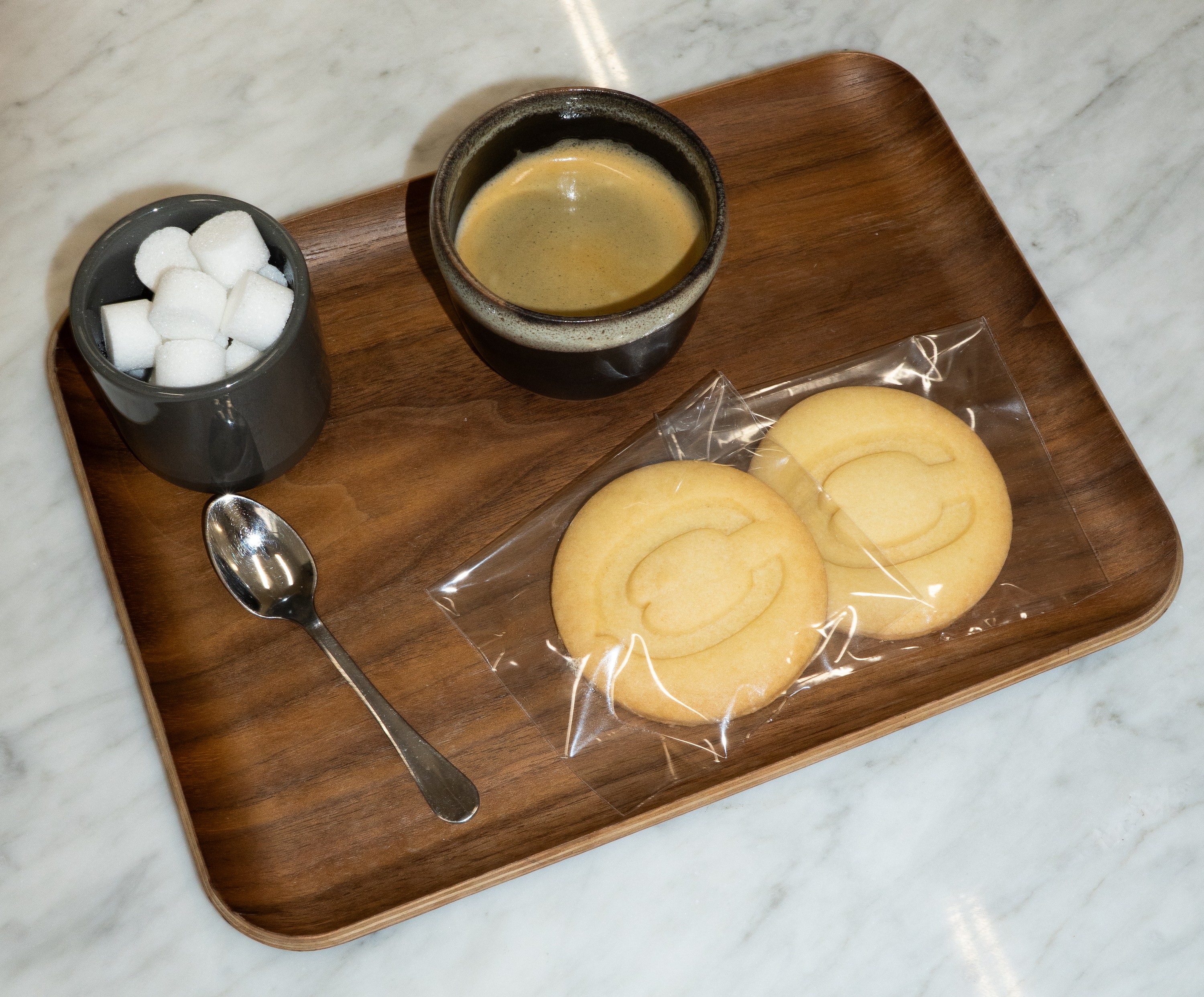
The breadth of the portfolio naturally creates cross-selling opportunities during buyer appointments. "When a buyer purchases a brand from us, we target what other brands might suit them. We suggest they set aside some time at the end of the appointment to discover our suggestions."
Some buyers go further and tour the entire showroom, as much out of professional curiosity as commercial interest. "Touring the brands selection is part of the buyer's job. Many forget that." A remark that speaks volumes about the relationship Clothette maintains with its partners: no commercial pressure, but a conviction that the right brands speak for themselves. "We only sell to them if they ask, when the interest is validated. Nothing is mandatory."
For the retailer, working with a showroom that offers a wide range of products has a practical benefit: a single contact point for multiple suppliers. "For a shop with 20 to 50 suppliers, it's convenient to have 5 or 6 in the same showroom," explains Antoine. "Our returning clients come to appointments expecting novelties." A pre-selection filter, a foundation of trust built over time, and year-round sales follow-up by permanent sales representatives: these are all elements that set Clothette apart from a seasonal showroom.
Toward a single space
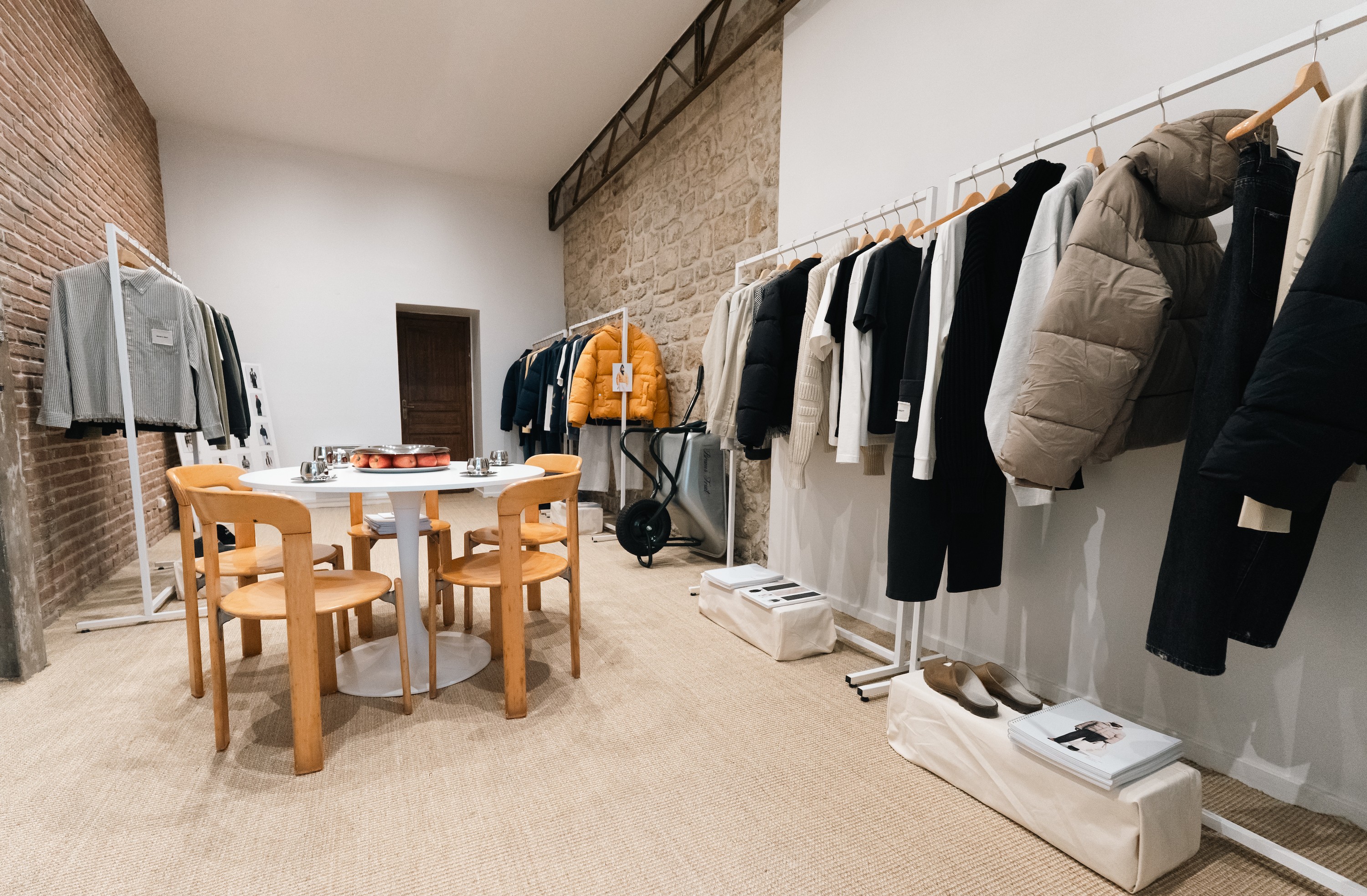
Clothette's offering is currently divided between two distinct spaces in Le Marais, a functional but temporary arrangement. "The goal is to have our entire offering in one space, because there are always links between brands," explains Antoine. Commercial links first of all: some buyers manage stores of different price ranges, others do both men's and women's. Image links next: seeing Bram's Fruit and Hunter in the same space makes you intuitively understand that the two can coexist in a coherent selection.
FAQ: Building a Wholesale Showroom Offering
How does a fashion showroom choose its brands?
The selection is based on a combination of criteria: stylistic consistency with the showroom's positioning, complementarity with existing brands, commercial potential in the target market, and often a human dimension in the relationship with the brand. At Clothette, the diversity of the partners' profiles is directly reflected in the breadth of the portfolio.
Are all brands in a showroom in the same price range?
No, a showroom like Clothette represents brands whose retail prices vary significantly, but all of which share a qualitative positioning. Retail price is not the sole criteria for positioning: style, image, and the distribution environment matter just as much.
What brands can you find in a Parisian wholesale showroom?
It depends on each agency's positioning. Clothette represents around twenty brands covering technical sneakers, urban accessories, ethical fashion, heritage outerwear, and fashion ready-to-wear for men and women. These brands come from France, Europe, and even Korea.
How does a buyer appointment work in a showroom?
The buyer makes an appointment for one or several specific brands. Sales representatives often anticipate complementary suggestions based on the retailer's profile. Some buyers also take a full tour of the showroom to discover the entire offering.
What is the difference between a specialized showroom and a generalist showroom?
A specialized showroom focuses on a specific segment: streetwear, luxury, Italian fashion, men only. A showroom like Clothette chooses a more cross-sectional offering, covering several styles and client types, which allows for synergies between brands and a wider variety of retail partners.



Take your brand further
Get the latest news and updates – No spam, we promise
