What's a fashion showroom ? Definition and operation
Published

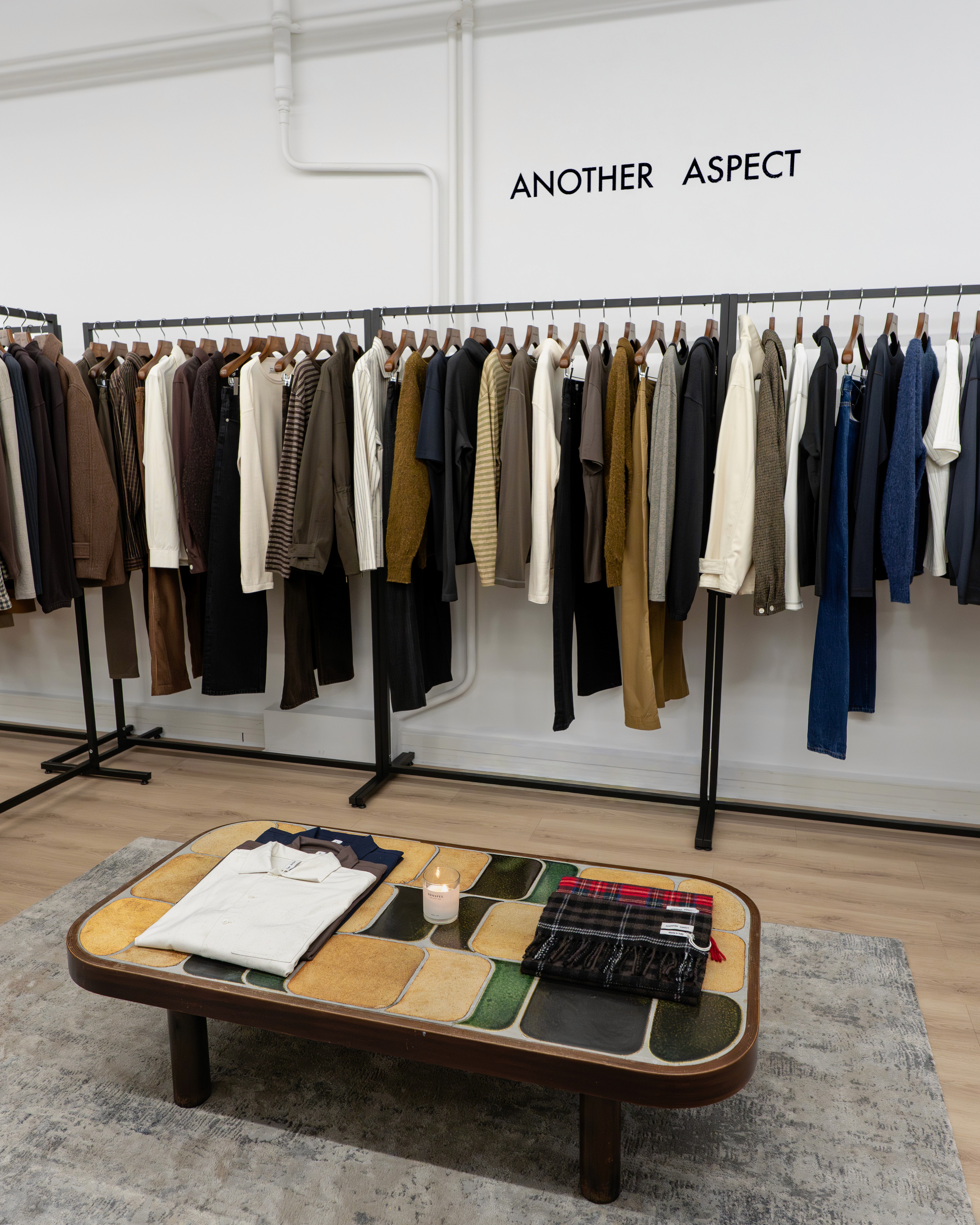
What is a fashion showroom? Will you find clothes there? How do you get in? How do you buy? No, you won't find fitting rooms or a checkout. And yet, yes, it is very much about clothes, collections, purchases and trends.
But a showroom is a strictly professional space, reserved for buyers, distributors and partners: a B2B (Business to Business) setting where a brand presents its collections to buyers, where wholesale orders are placed, distribution agreements are signed, and a brand's rollout across a territory is decided. It all happens behind the scenes, away from the general public — and it's here that what you'll find in stores tomorrow is determined.
"It's the most common misconception," says Antoine Leneuf, CEO of the agency The Clothette. "People often ask us if they can come in to buy a piece of clothing. We have to explain that we are an exclusively B2B destination. We are the strategic intermediary between brands' creations and the stores that distribute them."
 |  |
Definition of a Showroom in the Fashion Industry
Historically, the term simply referred to the "exhibition room" for collections. Today, within the fashion ecosystem, two distinct realities need to be distinguished:
1 - The mono-brand showroom: operated internally by major luxury houses or brands with an international presence to present their own collections.
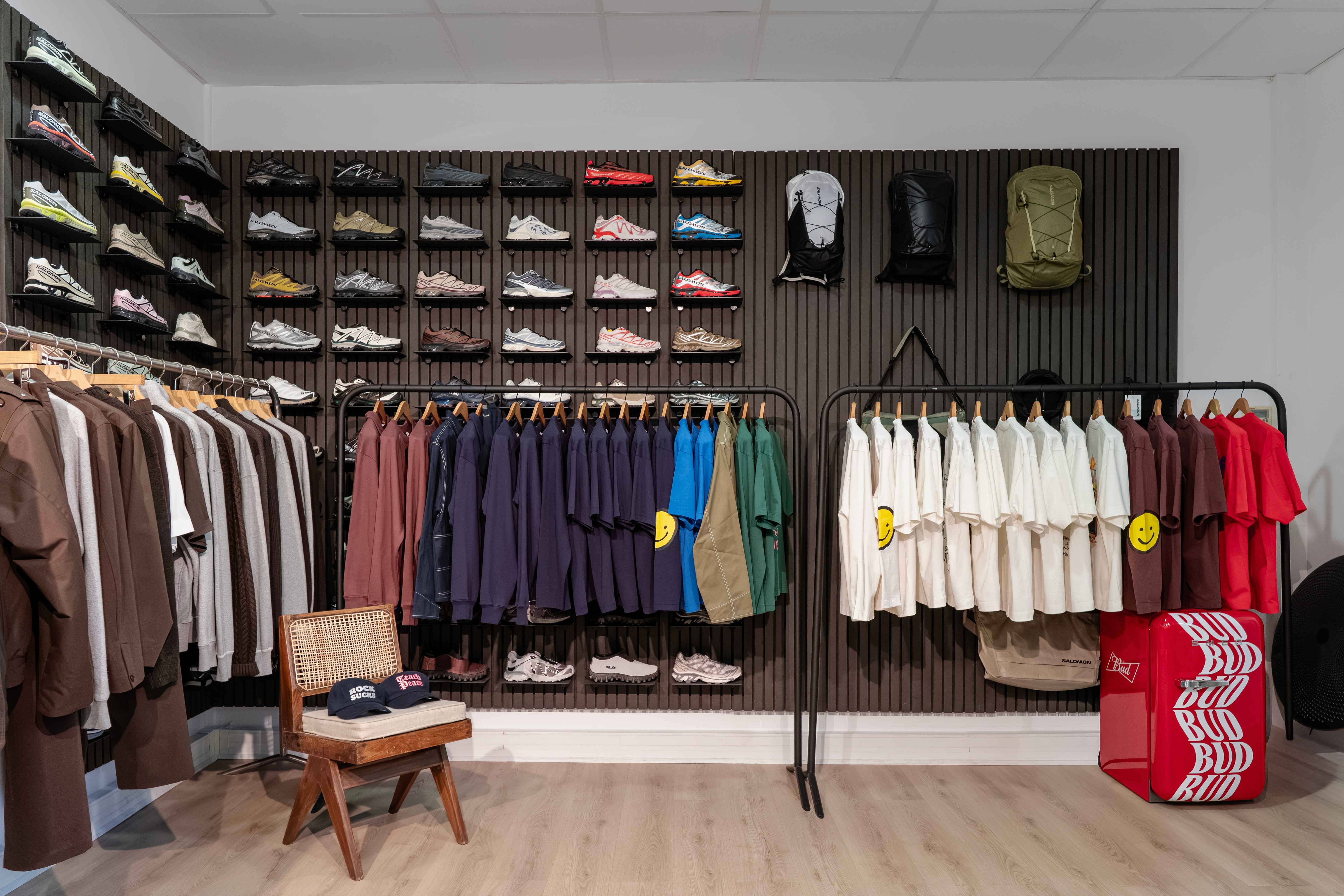
2 - The multi-brand showroom (or Commercial Agency): an independent entity that represents a portfolio of several fashion brands, often foreign ones, on a specific territory (e.g. France). This model, the one Clothette operates, forms the backbone of the industry's commercial network.
What does a fashion showroom do?
The role of a multi-brand showroom goes far beyond simply displaying clothing. Its missions revolve around three major pillars:
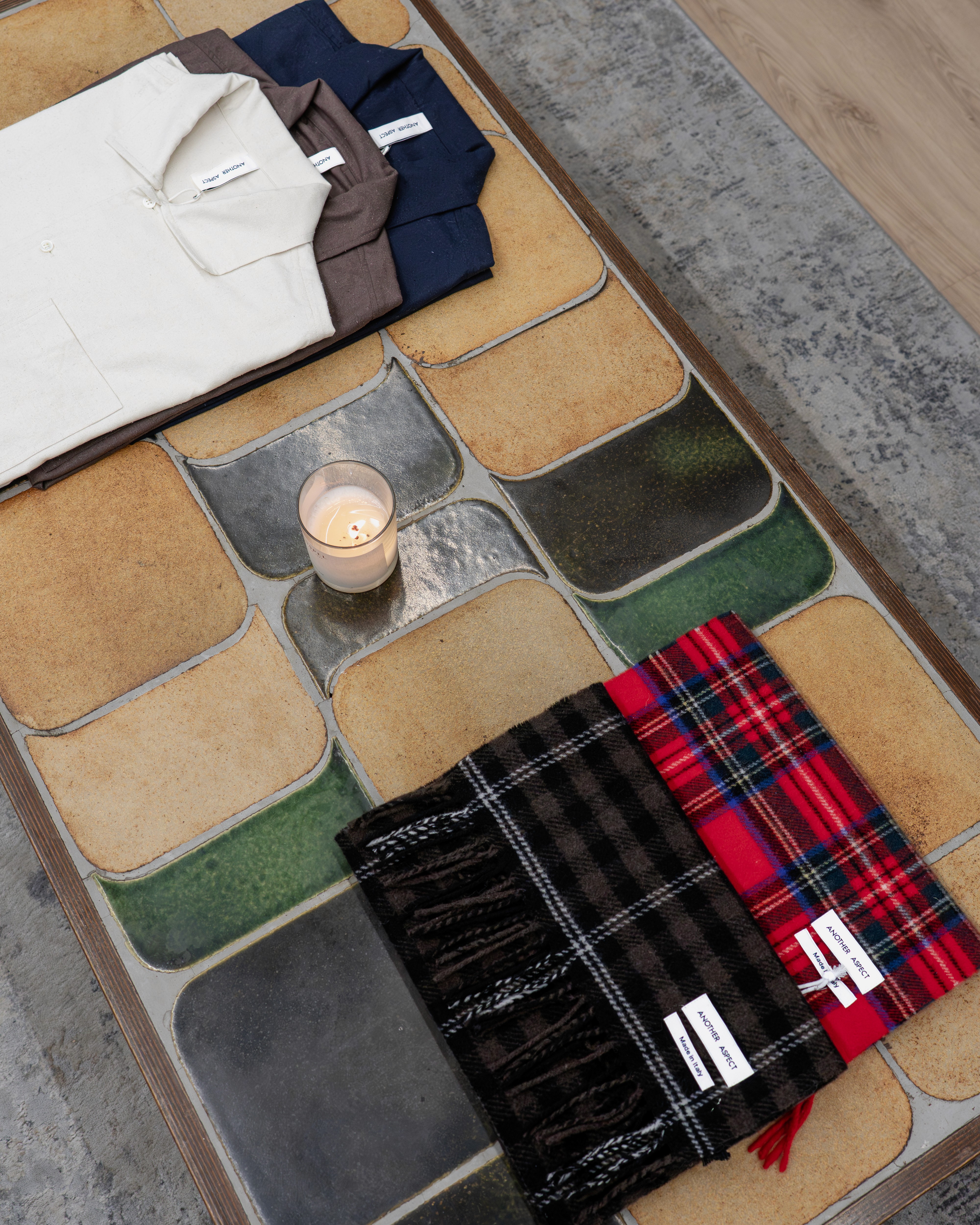
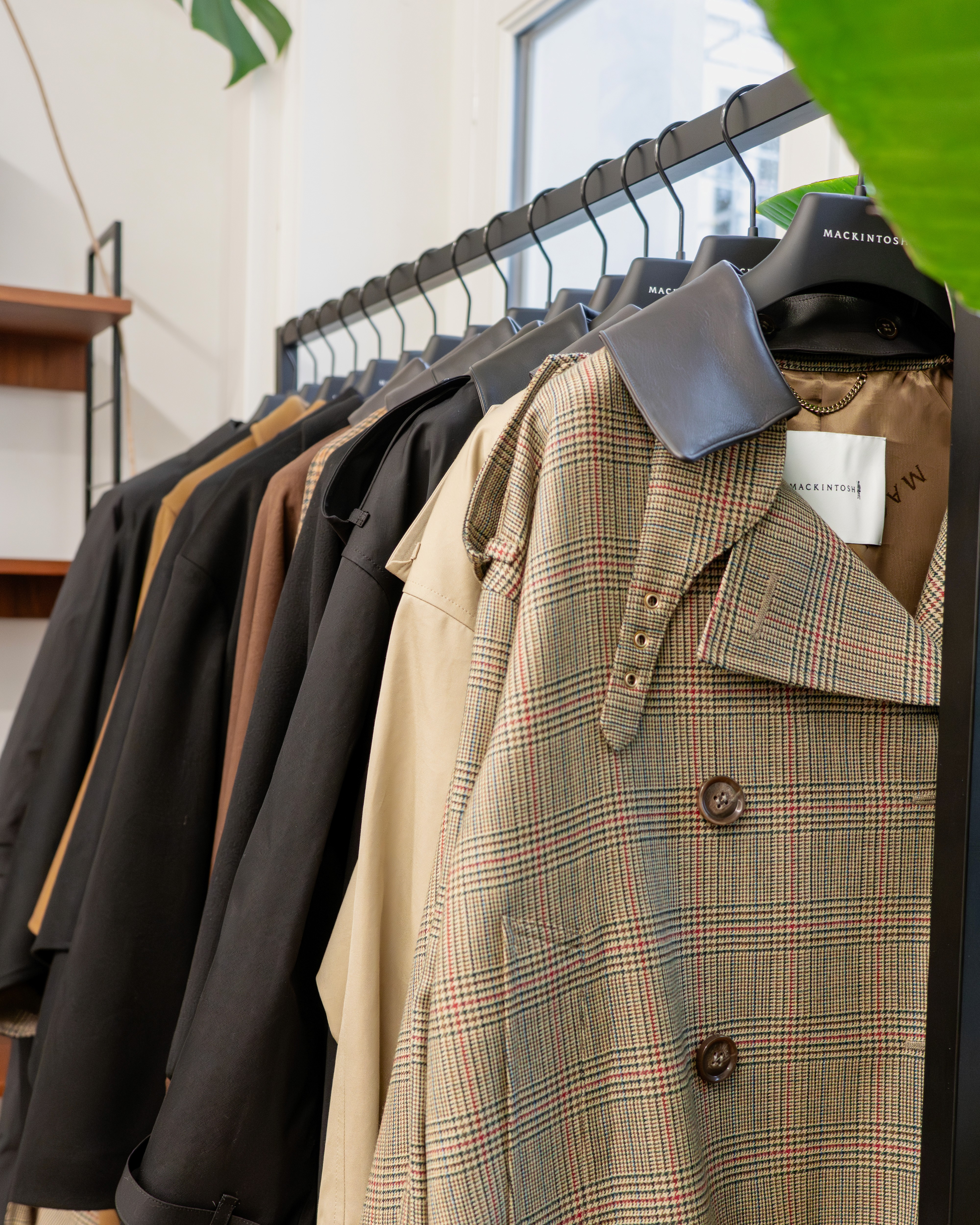
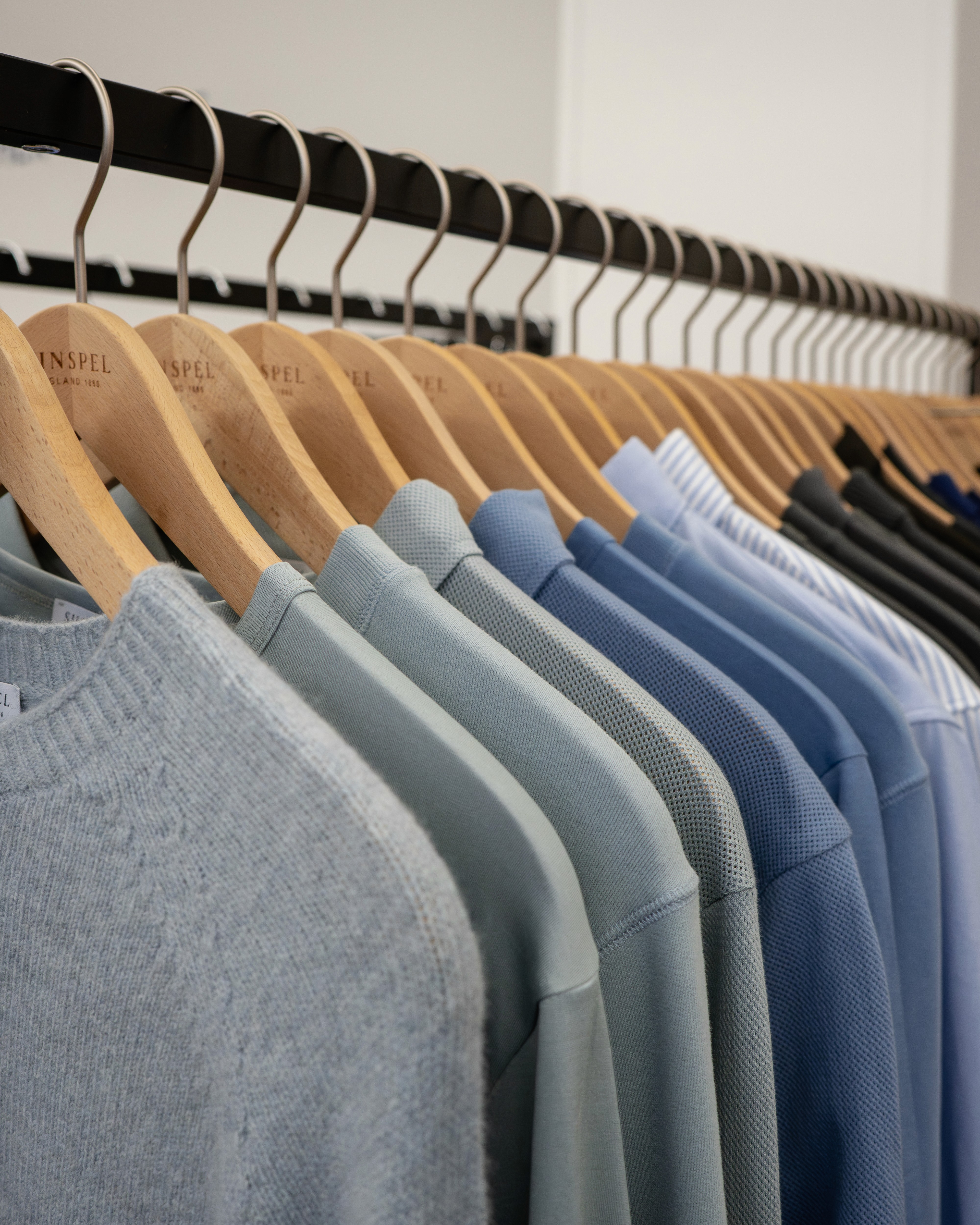
Sales and Presentation (Selling): The showroom is first and foremost a physical space, a tool that allows buyers to discover collections 6 months before they hit stores. They can touch the fabrics, analyse the cuts and build their selection for the upcoming season.
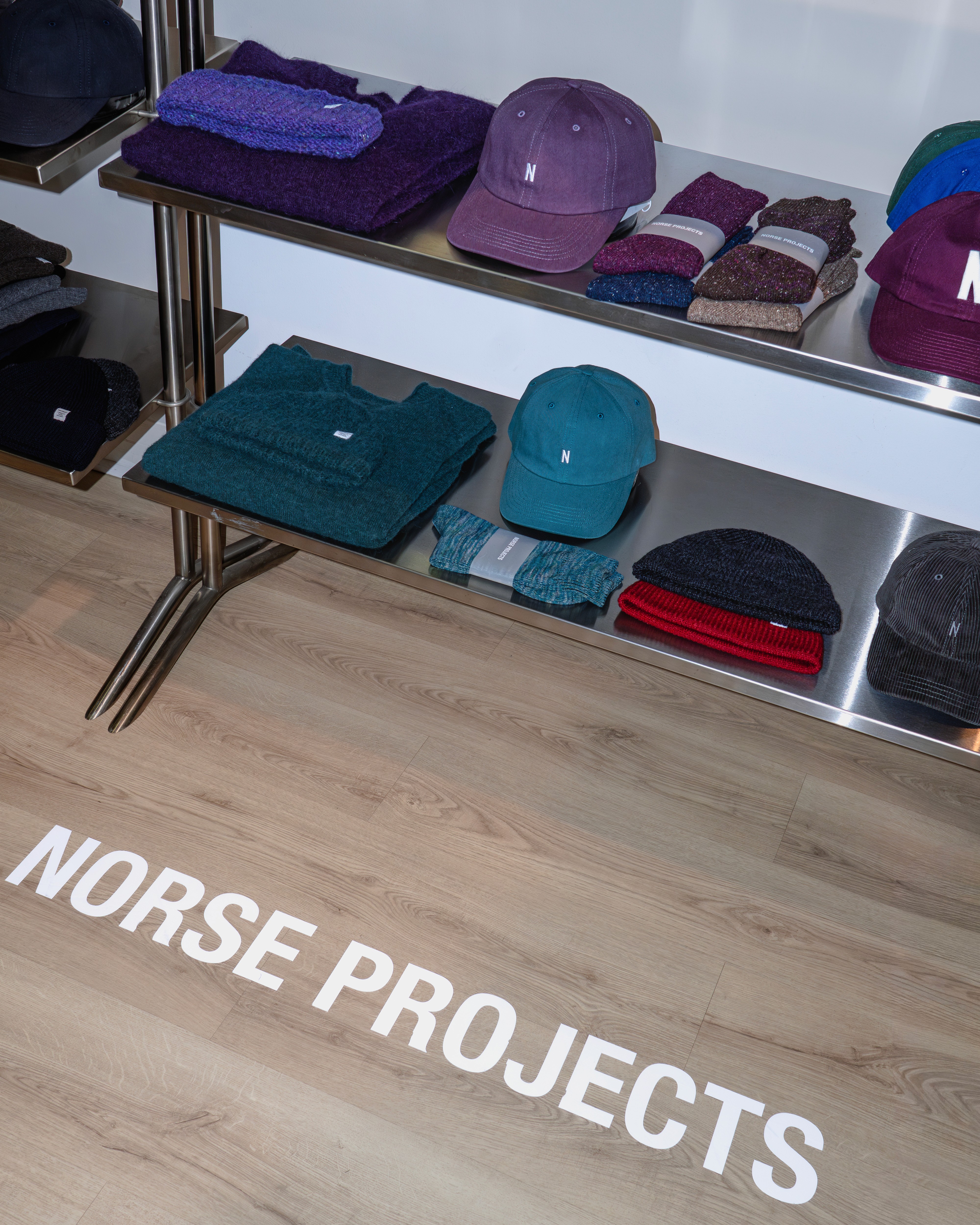
Purchase Centralisation (Wholesale): For a retailer, visiting a showroom that represents 10 to 20 brands is a considerable time-saver. They benefit from a quality filter: the brands on display have already been selected for their relevance, commercial terms and logistical reliability.
Strategic Consulting: "Consulting is very formalised with us," explains Antoine Leneuf. "Before we even sell, we carry out a go-to-market analysis for brands: SWOT, positioning recommendations and distribution strategy. We guide brands on how to establish themselves in the French market."
 |  |
How Does a Showroom Work for Brands and Buyers?
A showroom like Clothette supports both its brand clients and its retail clients throughout the year. This work is naturally structured around the fashion industry calendar, and its two major periods: the Spring/Summer (SS) and Autumn/Winter (AW) seasons.
The Sales Campaign Cycle
Sales campaigns take place several months ahead of delivery. For example, Autumn/Winter collections are sold between January and March, for planned in-store delivery from July/August onwards.
This lead time requires solid cash flow, both for brands and showrooms, whose remuneration (generally a mix of sales commission and a monthly showroom fee) often only comes once the goods have been delivered and paid for.
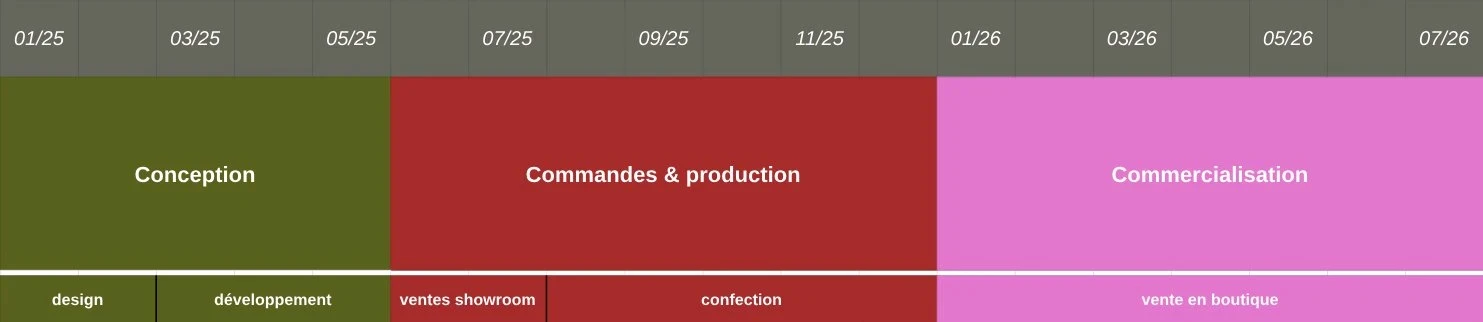
This corresponds to the production, delivery and commercialisation timelines. Take a piece from a brand's SS27 collection represented by the showroom:
Designed and prototyped in Spring 2026
Ordered by a buyer during showroom selling sessions in June 2026
The brand includes it in fabric and supply purchases made during Summer 2026
Upon receipt of fabrics, they are sent to manufacturing workshops that produce the SS27 collection (including our piece) during Autumn 2026
The buyer's store receives the collection and puts it on sale from early 2027 (during the winter sales period)
The Buying Appointment
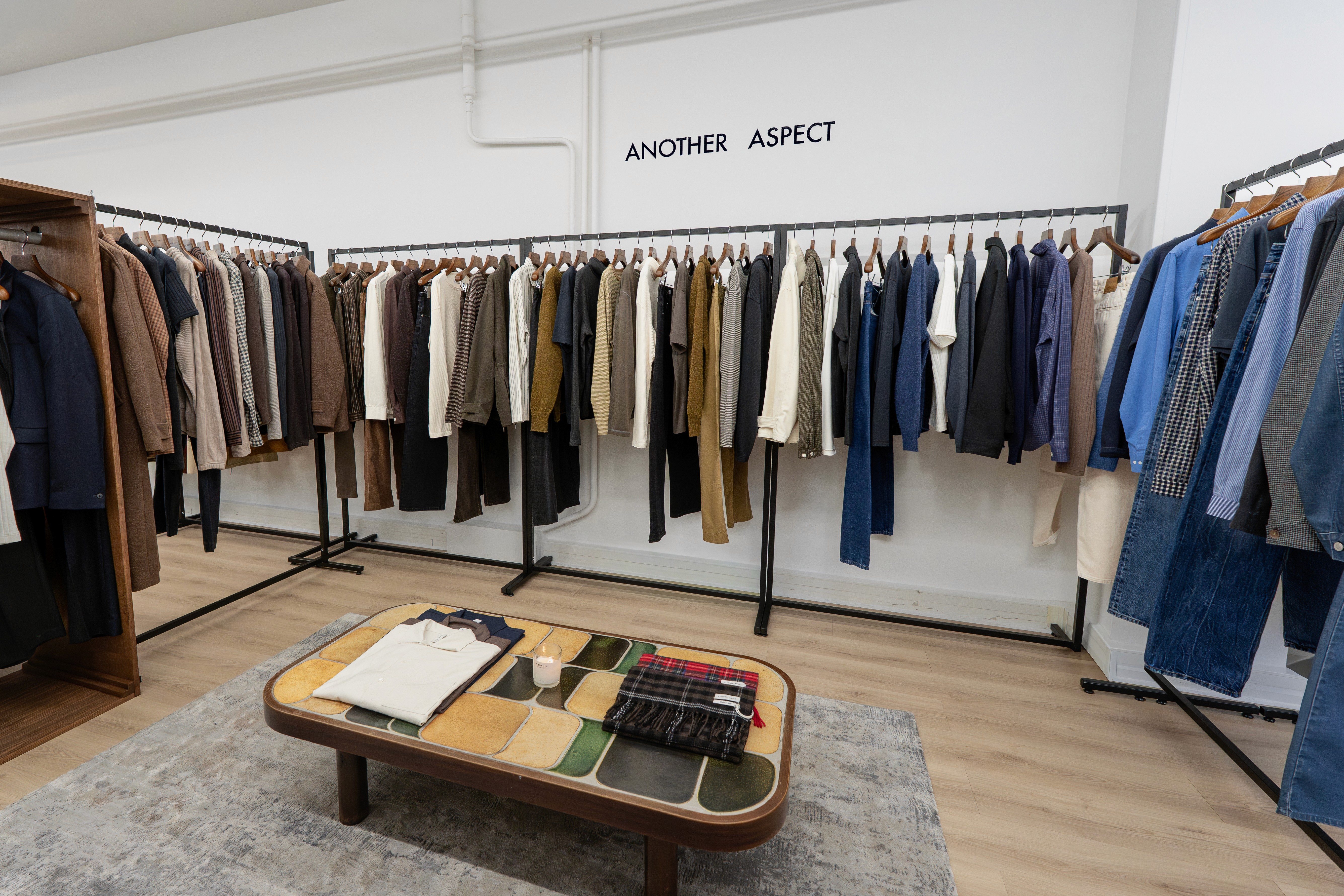
During sales campaigns, buyers (managers of independent boutiques, department stores, e-commerce pure players) make appointments at the showroom. Accompanied by a sales agent, they browse the collections, select pieces and write up their purchase orders.
"Human relationships are the foundation of our business," insists the CEO of The Clothette. "It's what allows us to build long-term relationships — whether with heritage brands like Knowledge Cotton Apparel or loyal clients who have trusted us for 15 years to introduce new labels."
What is the Difference Between a Showroom, a Boutique, a Commercial Agency and a Distributor?
To properly understand the sector, it is crucial to distinguish these often-confused terms:
Showroom vs Boutique: A boutique (retail) sells finished products directly to the consumer (B2C) for immediate purchase. A showroom (wholesale) sells future collections to professionals (B2B) on a pre-order basis.
Showroom vs Commercial Agency: In everyday language, the two terms have become synonymous. Technically, the showroom is the physical space, while the commercial agency is the legal entity that "operates" that space and provides sales and advisory services.
Commercial Agency vs Distributor: A key difference lies in stock management. A commercial agency earns a commission on the orders it generates, but it is the brand that manages the stock, logistics and direct invoicing to the retailer. A distributor, on the other hand, purchases the goods from the brand outright (firm purchase), manages its own local stock and resells to boutiques with its own margin applied.
All three players (showroom/commercial agent; boutique; distributor) are interconnected, and each plays an important role in a brand's commercial success, the service it provides and the customer experience it delivers.
Why Do Brands Turn to a Fashion Showroom?
Outsourcing the sales force through a showroom is a strategic choice for many brands, particularly those looking to establish themselves in a new territory:
Local market expertise: A showroom understands the specificities of its territory, knowing which distribution networks to activate (major international accounts vs. independent boutiques) and how to adapt the brand's message accordingly.
Immediate access to a buyer network: "The brand doesn't have local contacts," summarises Antoine Leneuf. "Our strength is our client base."
Reduced costs and risks: The financial investment required to open an in-house showroom, hire a team and prospect from scratch is heavy and time-consuming. A commercial agent enables faster development at a controlled cost (performance-based remuneration through commissions).
The Role of the Showroom During Fashion Week and Beyond
While activity reaches its peak during Paris Fashion Week (when buyers from around the world converge on the city) a showroom's work does not stop at order-taking.
"The real difference of a structured agency lies in its follow-up," highlights Antoine Leneuf. "At our agency, all sales staff are permanent employees. Brand support and retailer accompaniment happen year-round: delivery management, customer service, mediation in the event of issues. This is the very essence of what our founder, Christine, wanted to create 15 years ago: a showroom with genuine customer service, as a reaction to the often hasty practices of the time."
How the profession is evolving: when image becomes a commercial asset
The role of a commercial agent is no longer limited to mastering sales terms and collections. A brand's digital presence (digital marketing), its online and offline community, its image on the web: these are all factors that now directly influence its commercial value and a retailer's decision to carry it. A good fashion sales agent needs to be able to read these signals, even if they are not the one producing them.
 |  |
FAQ: The Essentials on the Fashion Showroom
What is a B2B showroom? It is a professional space where transactions take place exclusively between businesses (e.g., a clothing brand and a multi-brand retailer), and not with the general public.
Who can visit a fashion showroom? Access is generally reserved for industry professionals: buyers for boutiques or department stores, journalists, stylists and sometimes influencers (by invitation).
What is wholesale selling in fashion? Wholesale is the distribution model whereby a brand sells its collections in volume to independent retailers, who then offer them to their own end customers.
How can a brand join a showroom? A brand generally needs to present a strong portfolio, a clear identity and reliable production capacity. Showrooms select their brands based on how well they complement their existing portfolio and their potential in the target market.
Why would a brand use a showroom rather than managing its own distribution? Three main reasons stand out: access to an existing client network, a significantly lower financial investment, and faster growth thanks to local market knowledge.
What is the benefit for a store of going through a showroom? A single point of contact for multiple pre-selected brands, centralised customer service, and a "talent scout" role for identifying relevant new labels.
How is a showroom remunerated? A showroom operates on a dual model, balancing security (as the work is real and ongoing) with performance-based pay: a monthly fixed fee (showroom fee) + a commission on sales.
A fashion showroom is therefore much more than a simple display space. It is the strategic epicentre of wholesale distribution, a place of curation, negotiation and market expertise, essential for connecting a brand's vision to the realities of the retail landscape.
It is on this model of comprehensive support, combining the efficiency of a physical space in the heart of Paris, a diverse brand selection and unwavering human expertise, that a commercial agency like The Clothette supports the sustainable growth of its partners.
So get in touch if you are considering working with a showroom to build your offering.



Take your brand further
Get the latest news and updates – No spam, we promise
