The Life Cycle of a Fashion Collection: From Design to Your Wardrobe
Published
The life cycle of a fashion collection begins long before the pieces ever reach stores and even before the Clothette showroom team gets involved. It starts in the mind of a designer and continues all the way through to when a garment is sold to the public.
After that, the life of the piece itself, when it is worn and used, ideally continues for as long as possible. That’s our wish and the shared goal of our partners, including brands and retailers. A beautifully made garment is designed to last. To understand the real value of clothing, you need to know its story. Join us behind the scenes as we break down each step of this fascinating process.
The Concept: Where It All Begins
The first stage is all about creative energy, where a simple idea slowly transforms into a tangible concept, a wearable piece with both commercial appeal and cultural significance. This phase blends artistic inspiration with commercial vision.
The Creation
Everything starts with a spark. Designers draw inspiration from everything around them: an art exhibition, a trip, vintage archives, and societal trends. These inputs are guided by both artistic direction and commercial input, sometimes supported by internal marketing teams. Many brands also consult trend agencies to decode upcoming colors, silhouettes, textures, and narratives.
These insights are then translated into mood boards, visual collages that define the mood, palette, and texture direction for the next collection. From there come the first sketches, outlining pieces that tell a coherent story in line with the brand’s identity and market expectations.
For example, when Kim Jones was the artistic director of a major ready‑to‑wear house, he often shared stories about his travels across the Mongolian deserts to explain a winter collection deeply inspired by the nomadic riders of the steppes. On the other hand, creative teams often begin their process simply by visiting key fashion capitals such as London, Milan, Tokyo, or Seoul.
In some cases, like with the brand Bram’s Fruit, the creative process literally begins in a garden or greenhouse!
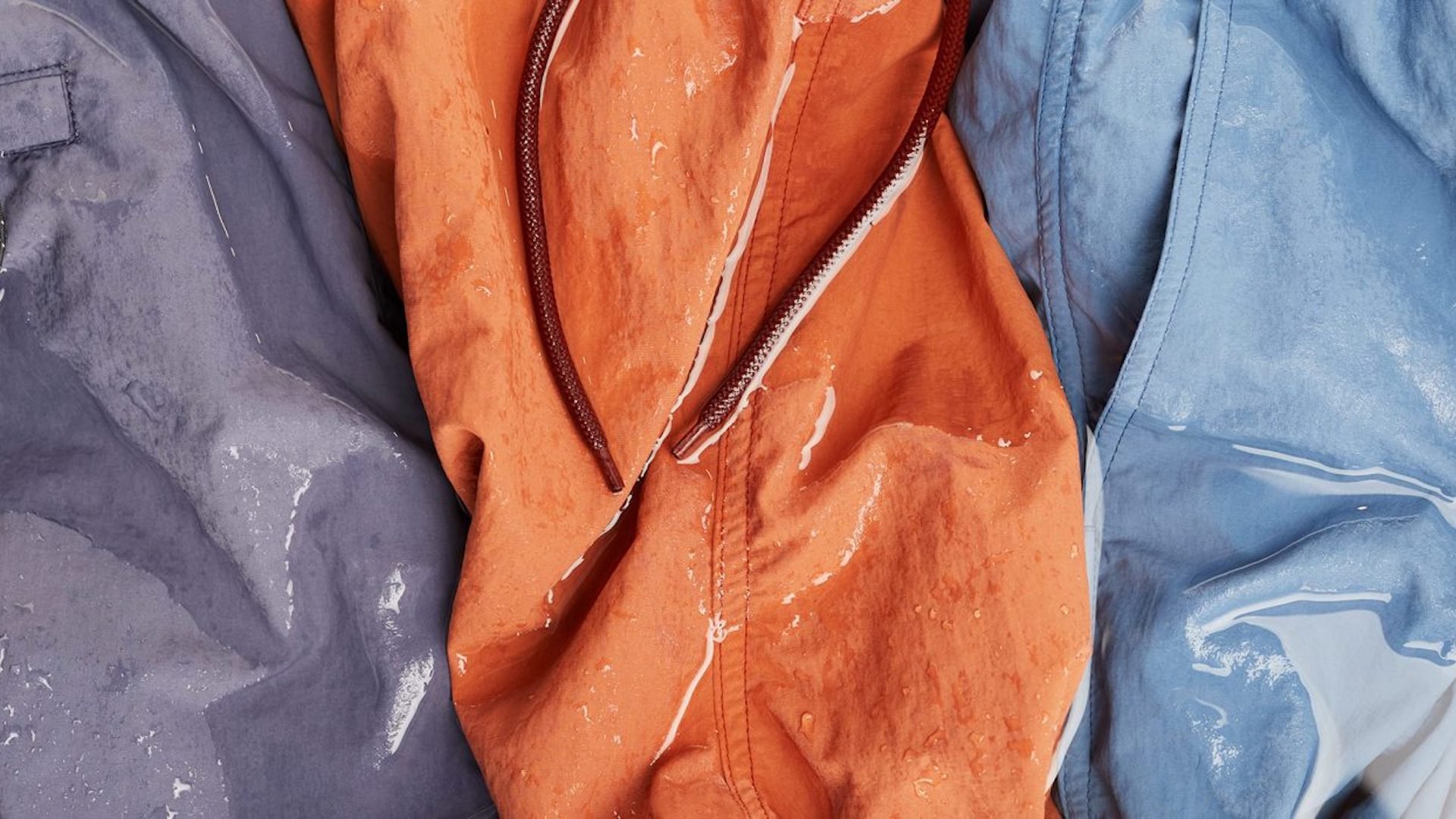
The selection of materials is also a central part of design and product development. It is a defining step in shaping both the look and function of each piece.
[caption id="" align="alignnone" width="1500"]
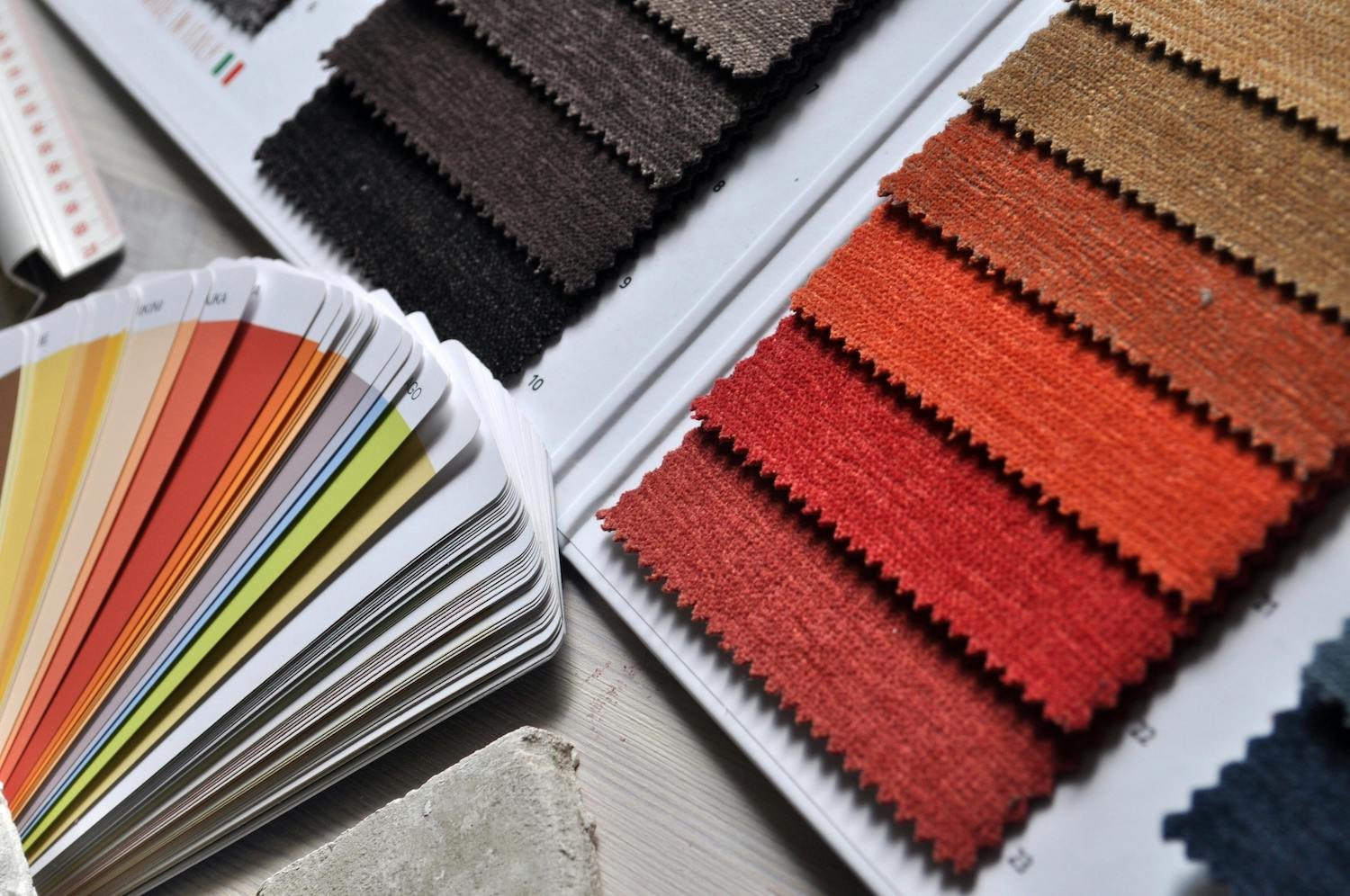
The selection of materials is a central step in product creation and development.
Product Development: From a Sketch to The Reality
Once the sketches and fabrics are approved, the process moves from 2D to 3D. The product development team works with designers to turn a drawing into a physical garment. This starts with a prototype. A prototype is a one‑off sample made in an internal studio or specialist development workshop.
At this stage, technical aspects are tested: Does the volume feel right? Does the fabric hang well? Is it comfortable and suited to its purpose? Are the seams placed and constructed correctly? Samples are tried on and adjusted multiple times, and technicians refine or recreate elements until everything meets expectations.
It’s not uncommon for a fashion intern to be asked to wear and push a prototype’s limits to test its performance. For more rugged products like Helinox outdoor chairs or Elliker bags, tests are done in “real‑life” conditions. A flaw in a component? A fabric that isn’t completely waterproof? It all has to go back to the development stage.
Orders and Production
Once the stylistic and technical design of a collection is complete, the pieces are assembled into a coherent lineup. This selection balances market demand with the brand’s identity.
Now it’s time to present the collection to professionals and begin production at scale. This is where agencies and showrooms become essential.
Wholesale: Meeting Buyers
Prototype collections are shown to buyers, often during Fashion Weeks; after all, that’s why they were created. These buyers, who are responsible for boutiques, retail networks, or department stores, know their markets well and make informed orders that aim for strong sell‑through.
In traditional models, a brand might host buyers in its own showroom and sales team or even invite retail network leads directly. The runway show acts as the first presentation of the collection, once primarily to buyers but increasingly as a communication event. Professional trade shows like Tranoï or Who’s Next also play a role.
The Clothette takes a different approach by bringing multiple brands together under one roof, creating a coherent curated offering. This is highly beneficial for buyers since they can browse multiple lines in one place, discover new brands, and build relationships, and for brands, who gain visibility and support in their commercial development.
From June through the end of July, buyers from France and Belgium have been visiting the showroom to choose their summer 2026 offerings. They see the collections, try them on, discuss them, negotiate, and place orders.
[caption id="" align="alignnone" width="1920"]
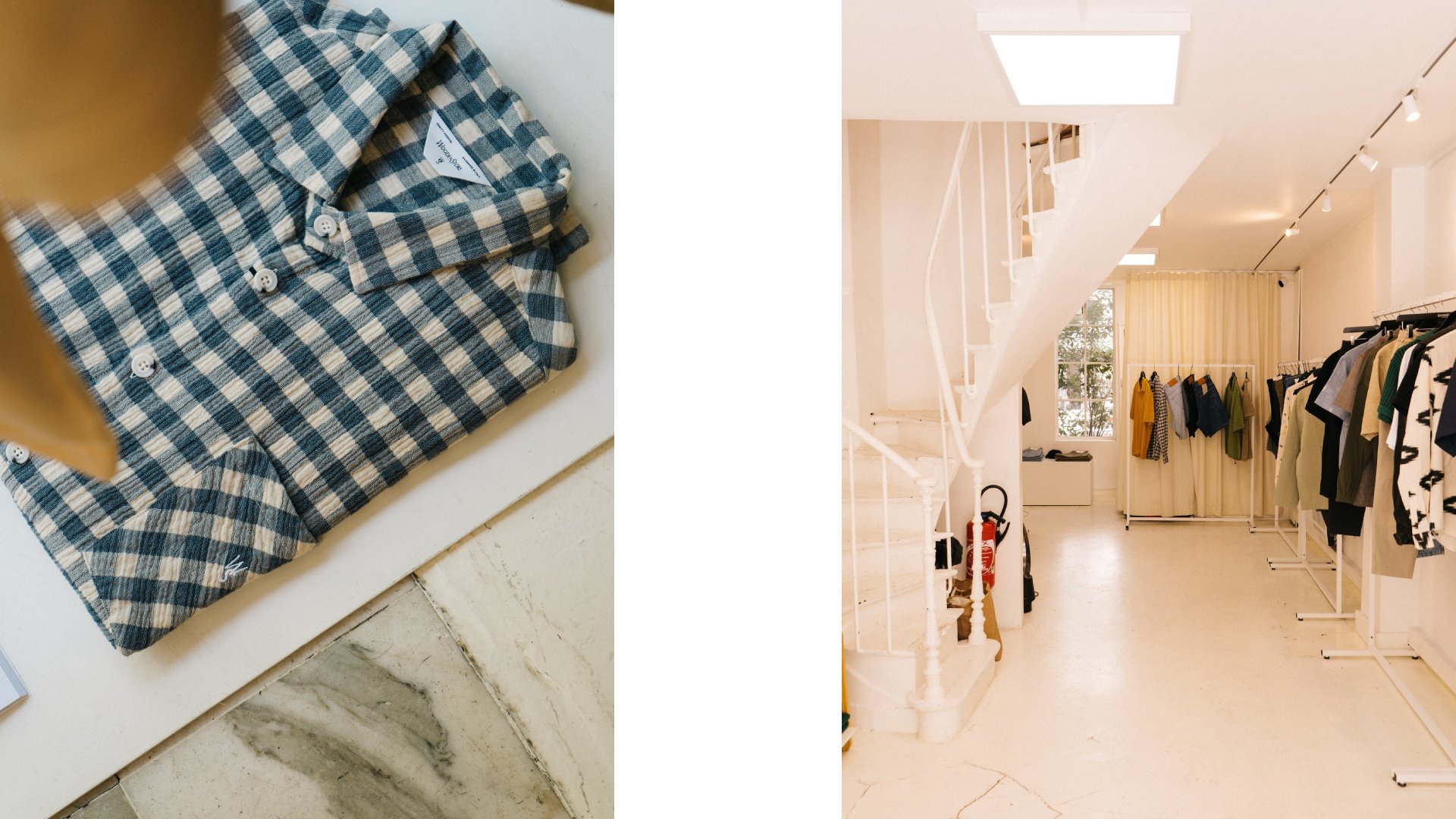
The Wooden Store collection presented to buyers.
Production: From Thread to Finished Garment
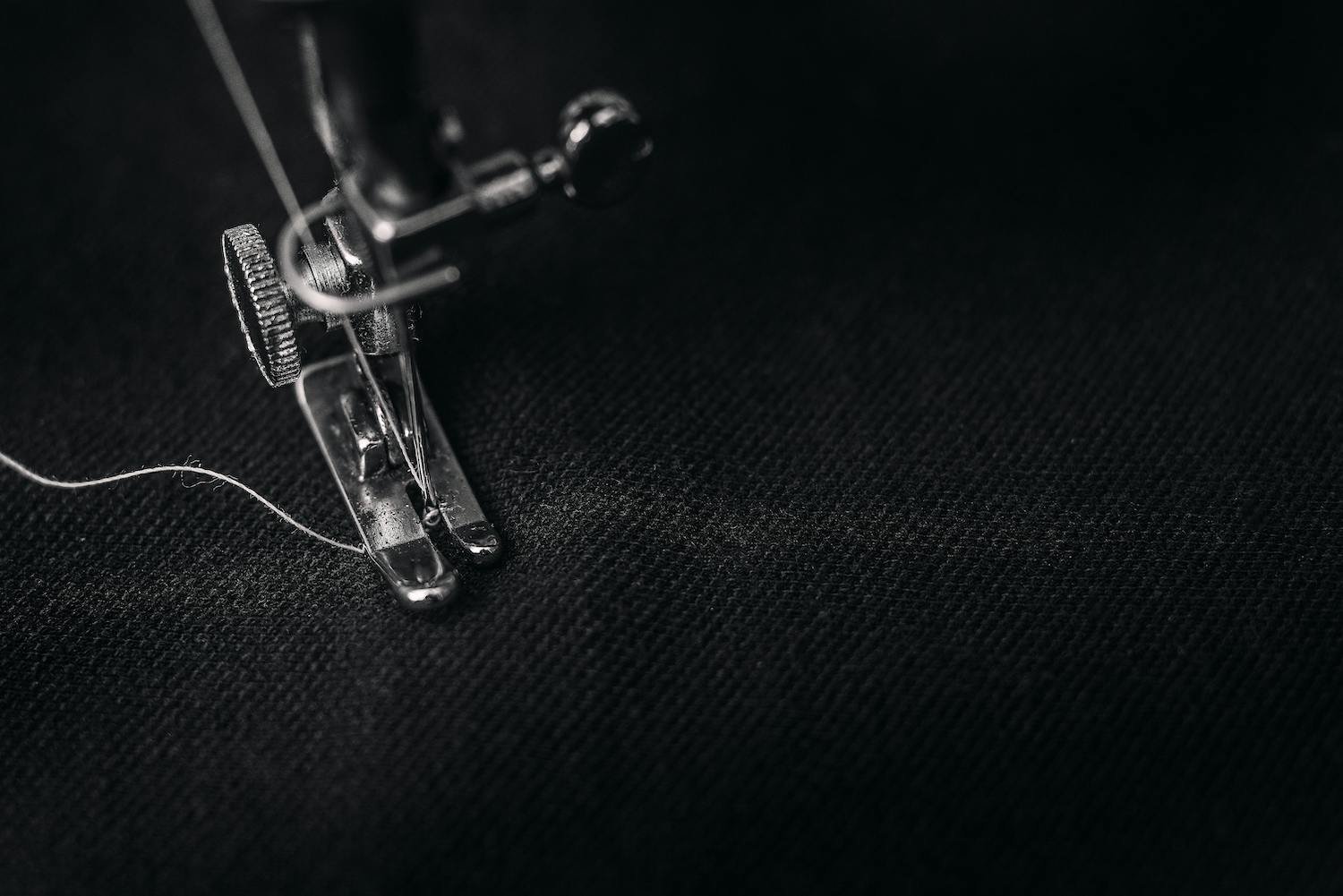
Once orders are confirmed, the brand purchases the necessary fabrics, materials, and components to produce every ordered piece. Textile creation and development run in parallel, so material choices are usually well advanced by this stage. Fibers, whether plant‑based, animal, artificial, or synthetic, undergo multiple treatments before being spun into yarn. These yarns are then woven or knitted into fabric, cut, and assembled into garments.
Manufacturing is entrusted to trusted partner factories and workshops, where expertise, adherence to specifications, and timely delivery are essential to ensure final quality. Once made and quality‑checked, garments are shipped to warehouses and then to boutiques around the world.
For example, the Spanish brand Thinking Mu has established a partnership with its manufacturing partner in India, providing consistent work to the workshop and community in exchange for high, consistent quality, reasonable production timelines, and flexible payment terms.
The Commercial Phase: Arriving in Stores and Beyond
At last, the garment is ready to meet its final audience.
In Store: The Commercial Life of a Product
Collections reach stores following the seasonal rhythm. Typically, the next collection begins arriving at the start of the previous collection’s sales period. For example, the SS26 collection will hit stores in early 2026, during the sales of FW25/26.
In the meantime, both brands and retailers prepare the ground. Sales teams are trained to communicate the stories behind each collection, presenting products thoughtfully in-store through merchandising. Marketing and communication efforts also work to capture public attention and build excitement around new arrivals at the start of the season.
Many of The Clothette’s showroom clients prepare tailored materials for retailers. From point-of-sale displays to comprehensive presentations of collections, products, fabrics, and inspirations, these tools help create an emotional connection between the buyer and the product, ultimately leading to boosting sales.
A good example of this approach is the Salomon SportStyle x Shinzo trade marketing activation, where the brand created a dedicated environment around its products for a specific retailer, combining storytelling, experience, and product presentation.
[caption id="" align="alignnone" width="1920"]
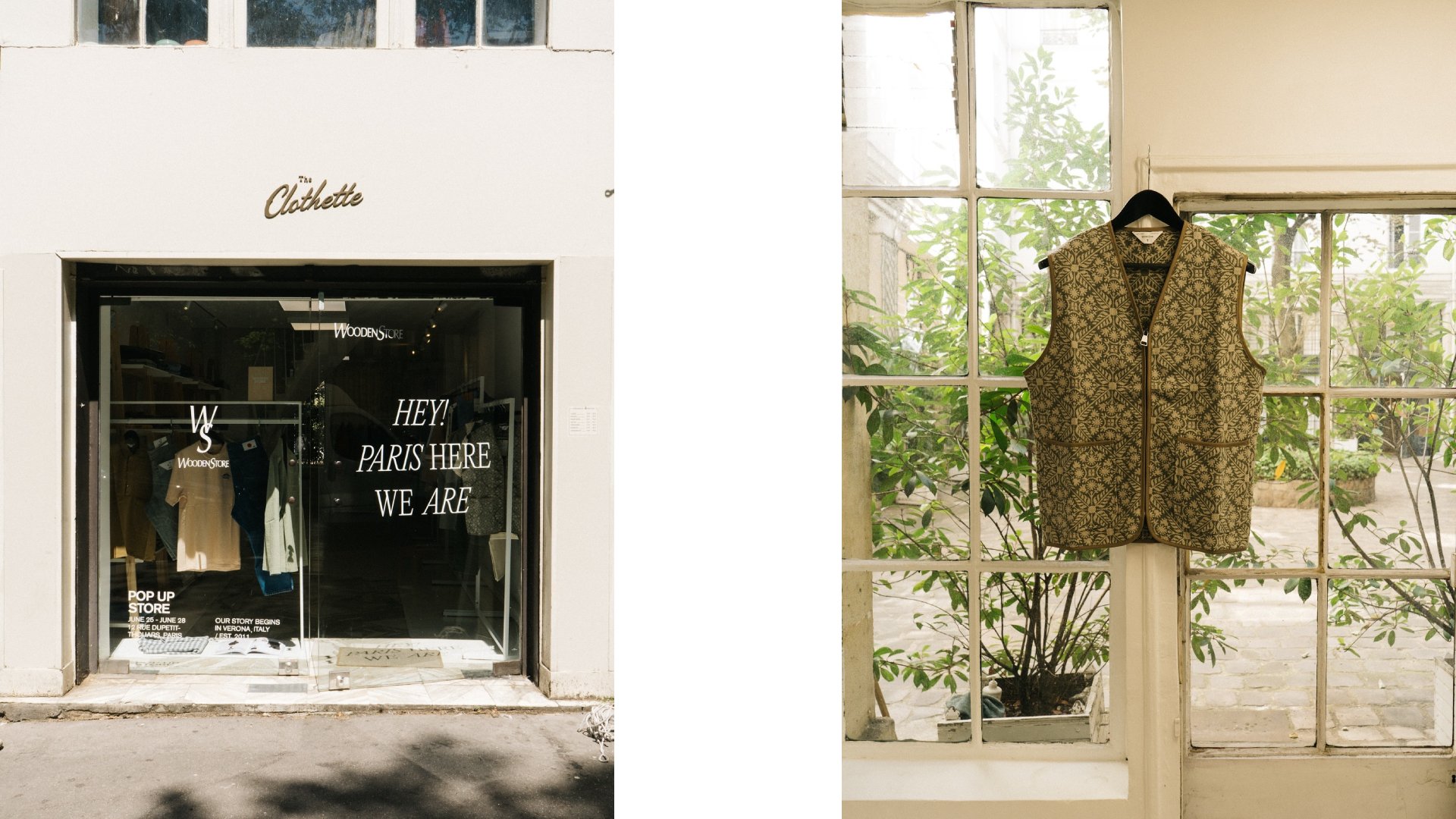
Last June, the Wooden Store pop‑up gave the public a chance to discover the Italian brand’s new collection in person.
The End of a Garment's Life: A New Story Begins?
Once a garment is sold and worn, it continues its story. Well‑made and thoughtfully designed pieces can last a very long time. This naturally raises questions about the lifespan of clothing.
Unsold stock may be redirected to outlets or preserved in brand archives. While excess inventory can be a burden (storage costs, depreciation), France now bans the destruction of unsold products.
Garments that have been sold can enjoy a second life through the secondhand market, which has become the leading channel for clothing resale in France. Here, quality truly matters. A well‑made piece can be resold or donated and begin a new chapter, aging gracefully like fine wine.
Advocating for a Longer Lifecycle
Understanding the life cycle of a collection means appreciating all the creativity, work, and resources that go into creating a single piece. That’s why we highlight beautiful, well‑made garments designed to be kept for a long time.
Extending the life of a garment is one of the simplest and most effective ways to reduce the enormous environmental impact of fast fashion and short‑cycle consumption.
This commitment to creating and selecting pieces that are desirable and durable is shared every day with our partner brands and retail partners.
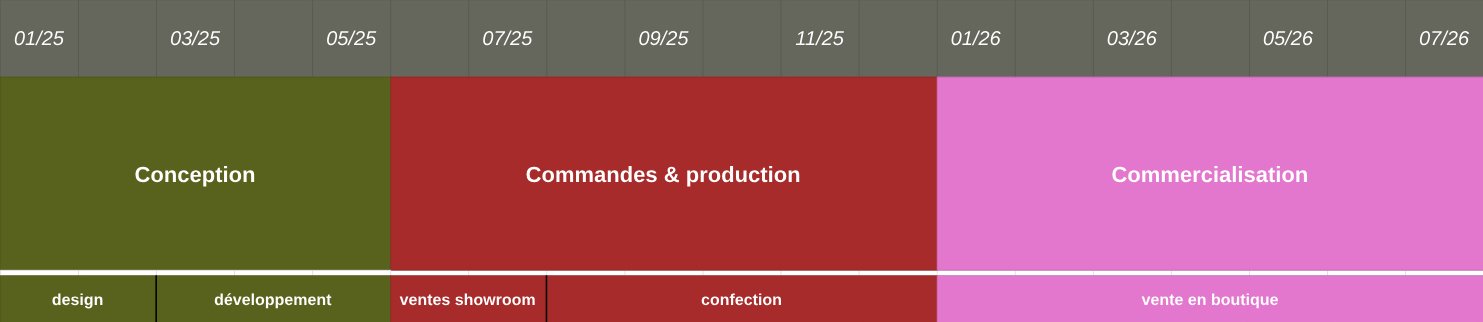
A visual summary showing a garment’s life cycle… all the way to your purchase!

Take your brand further
Get the latest news and updates – No spam, we promise
