KNOWLEDGECOTTON APPAREL / Off to Antarctica!
Published
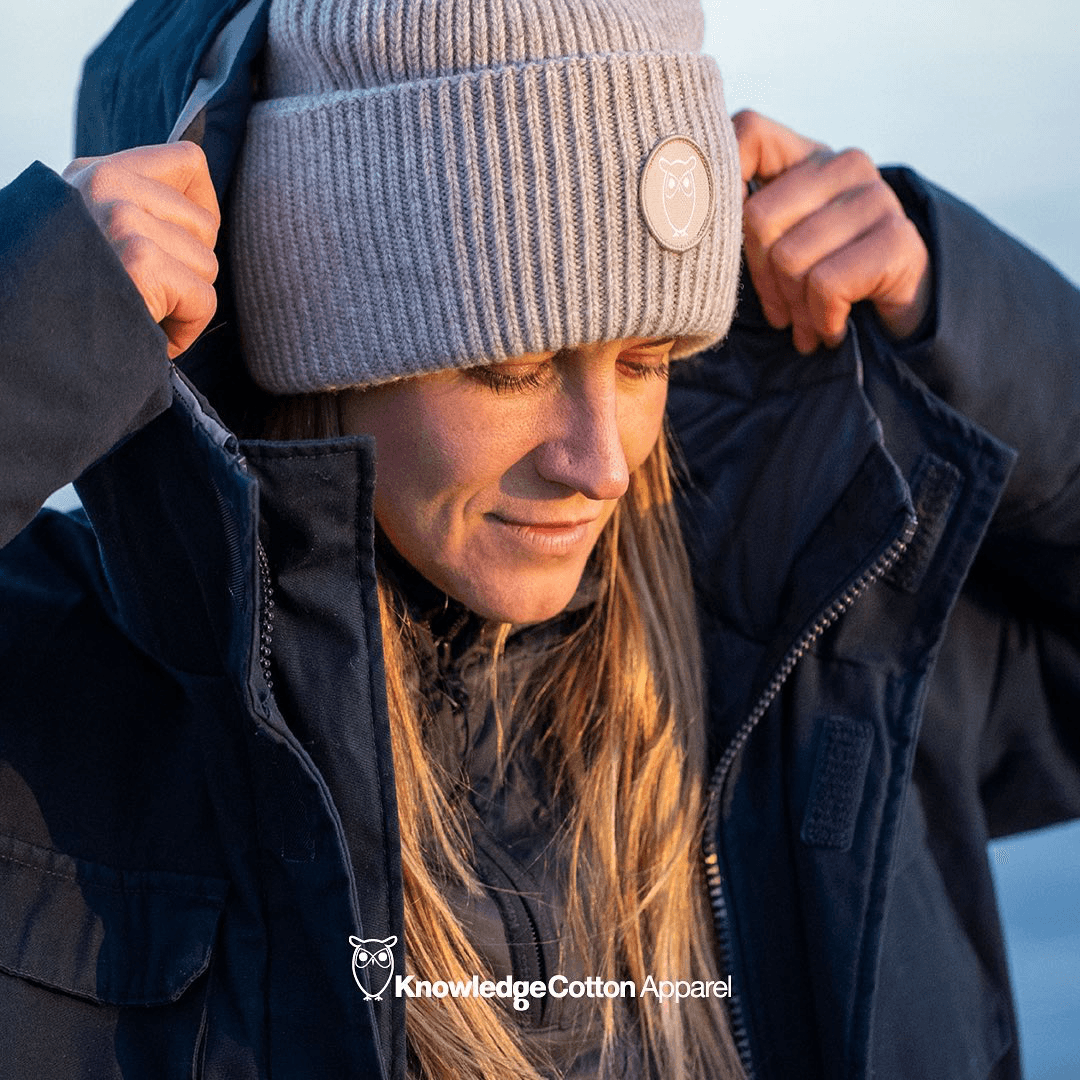
KnowledgeCotton Apparel is proud to accompany Regitze Andersen on her expeditions for the preservation and protection of the oceans.
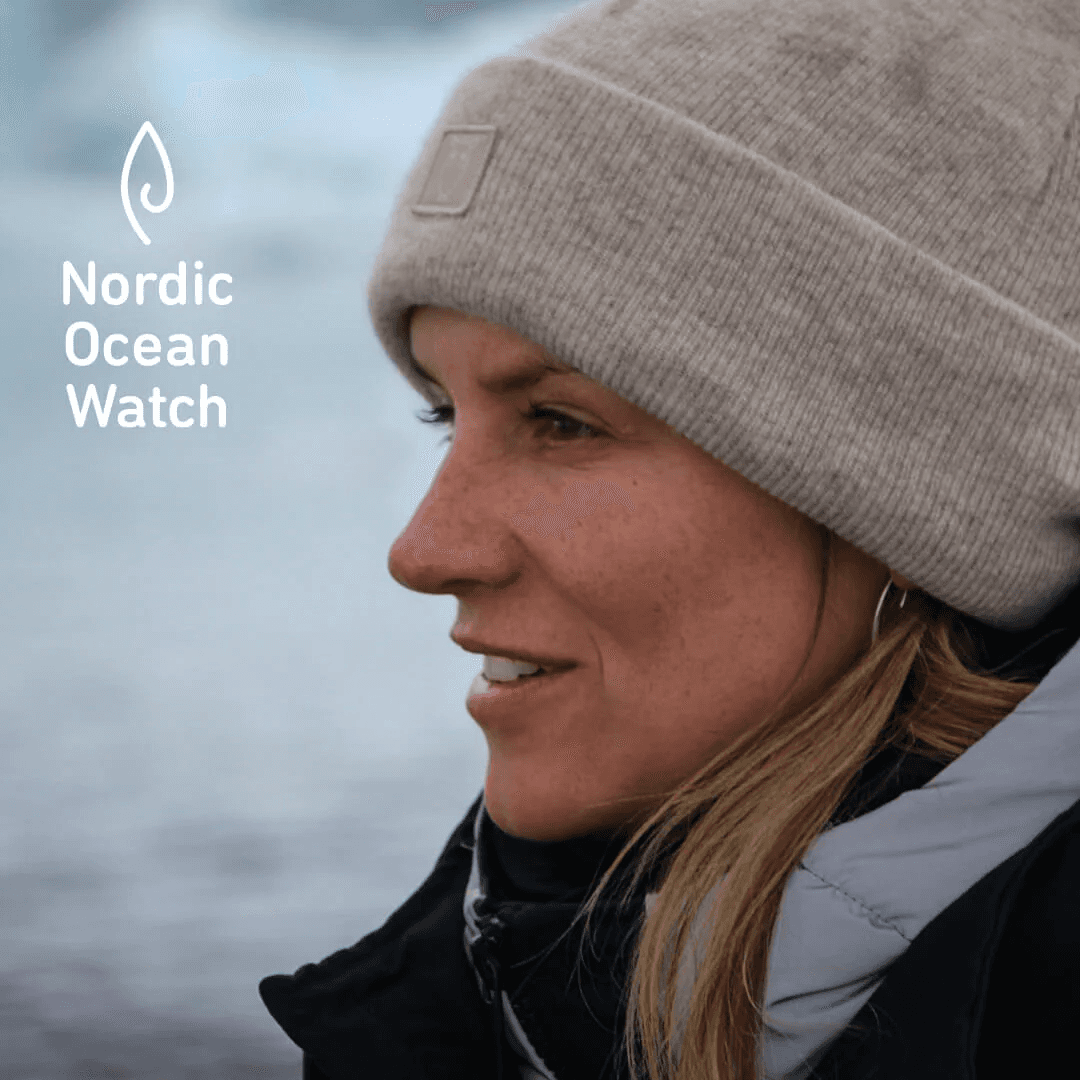
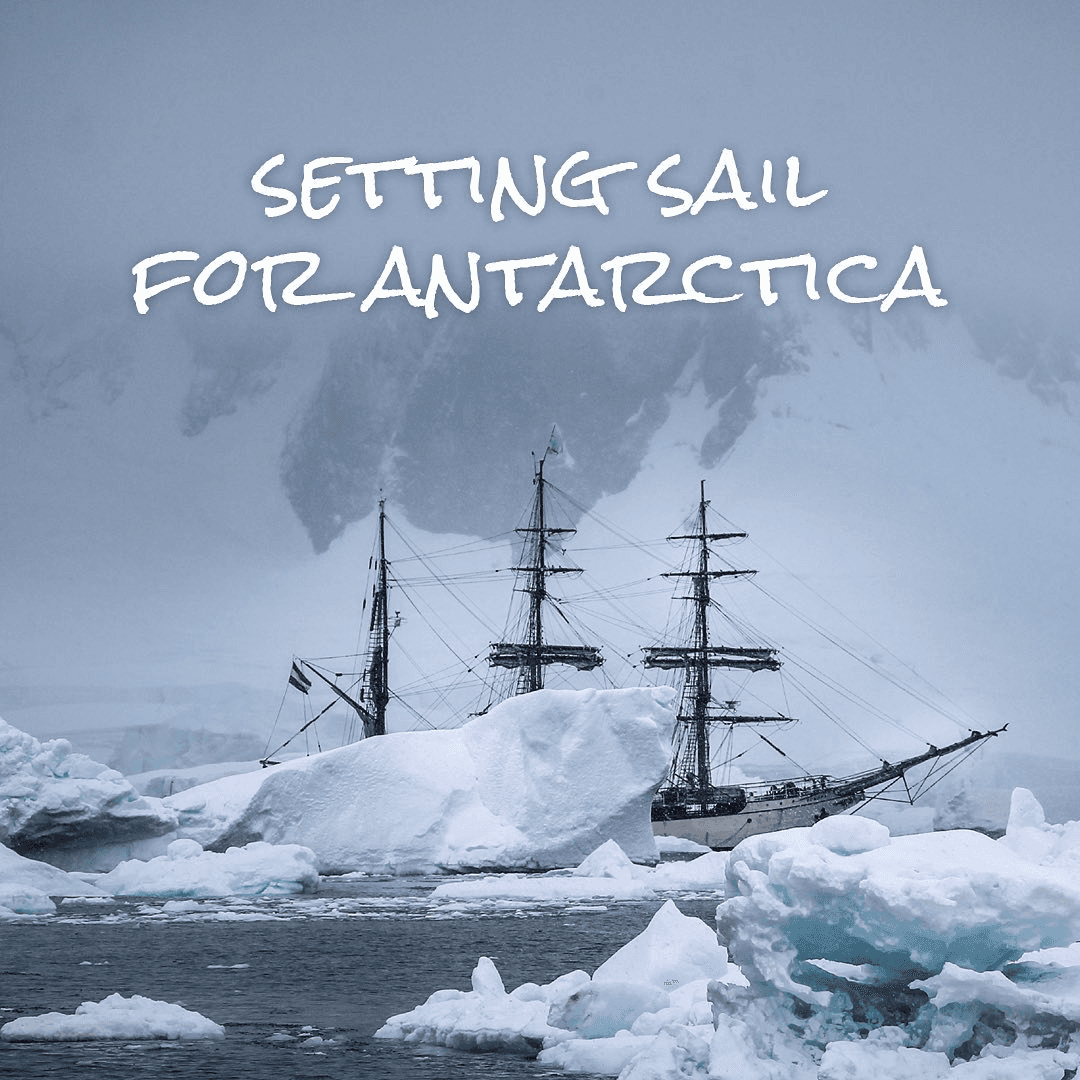
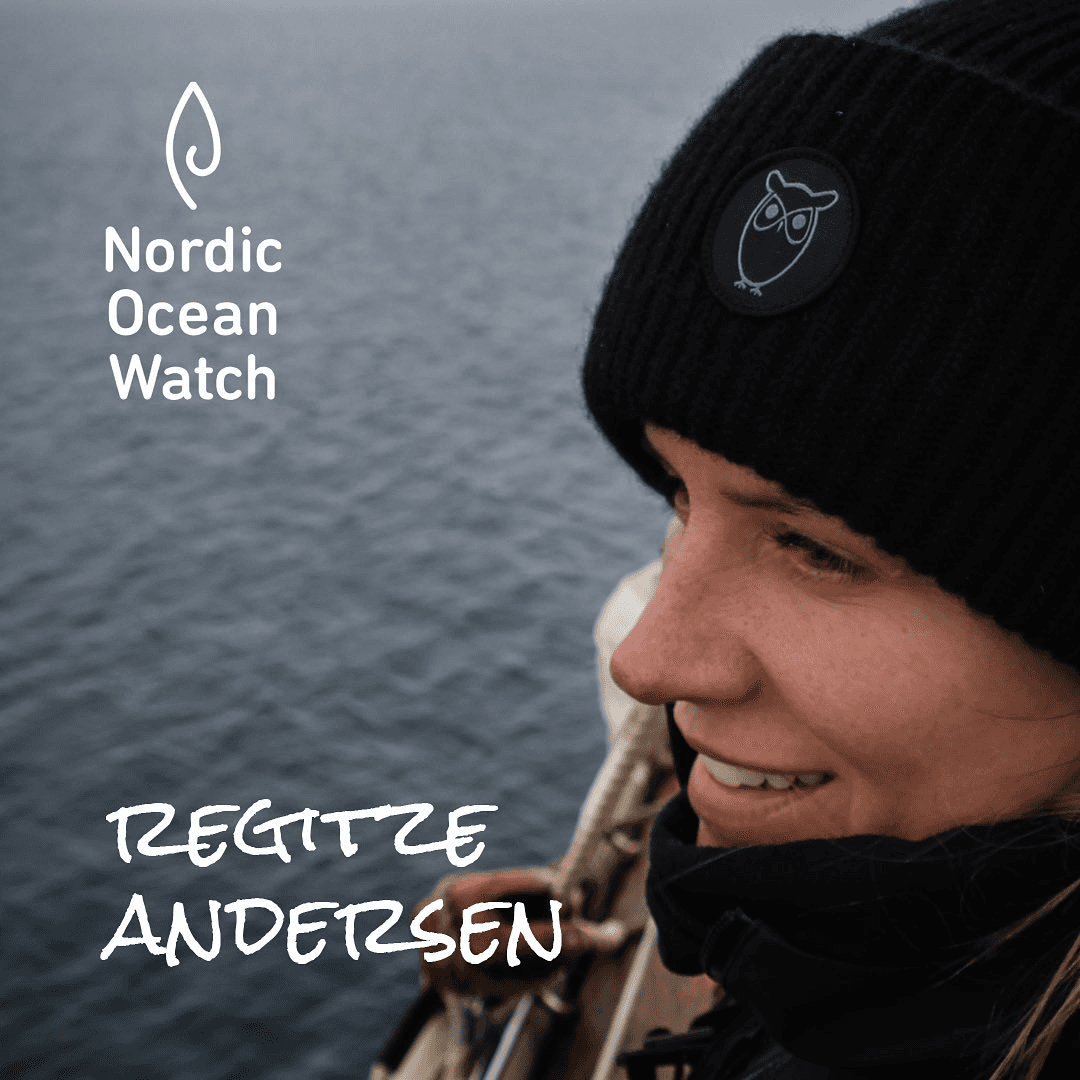
Regitze Andersen is the founder of Nordic Ocean Watch Denmark, an environmental collective dedicated to protecting the oceans. To raise public awareness, she participated in an expedition to Antarctica aboard the historic tall ship Bark EUROPA.

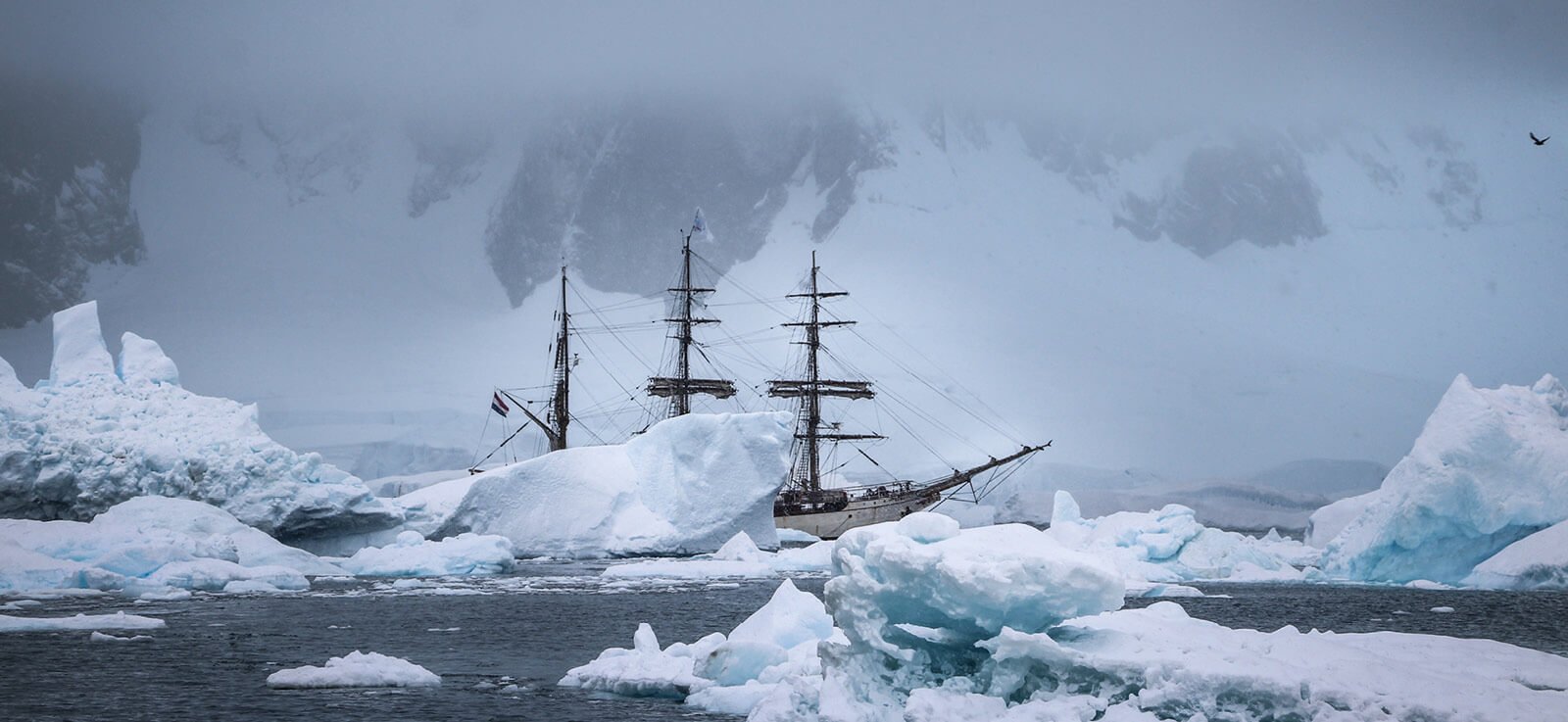
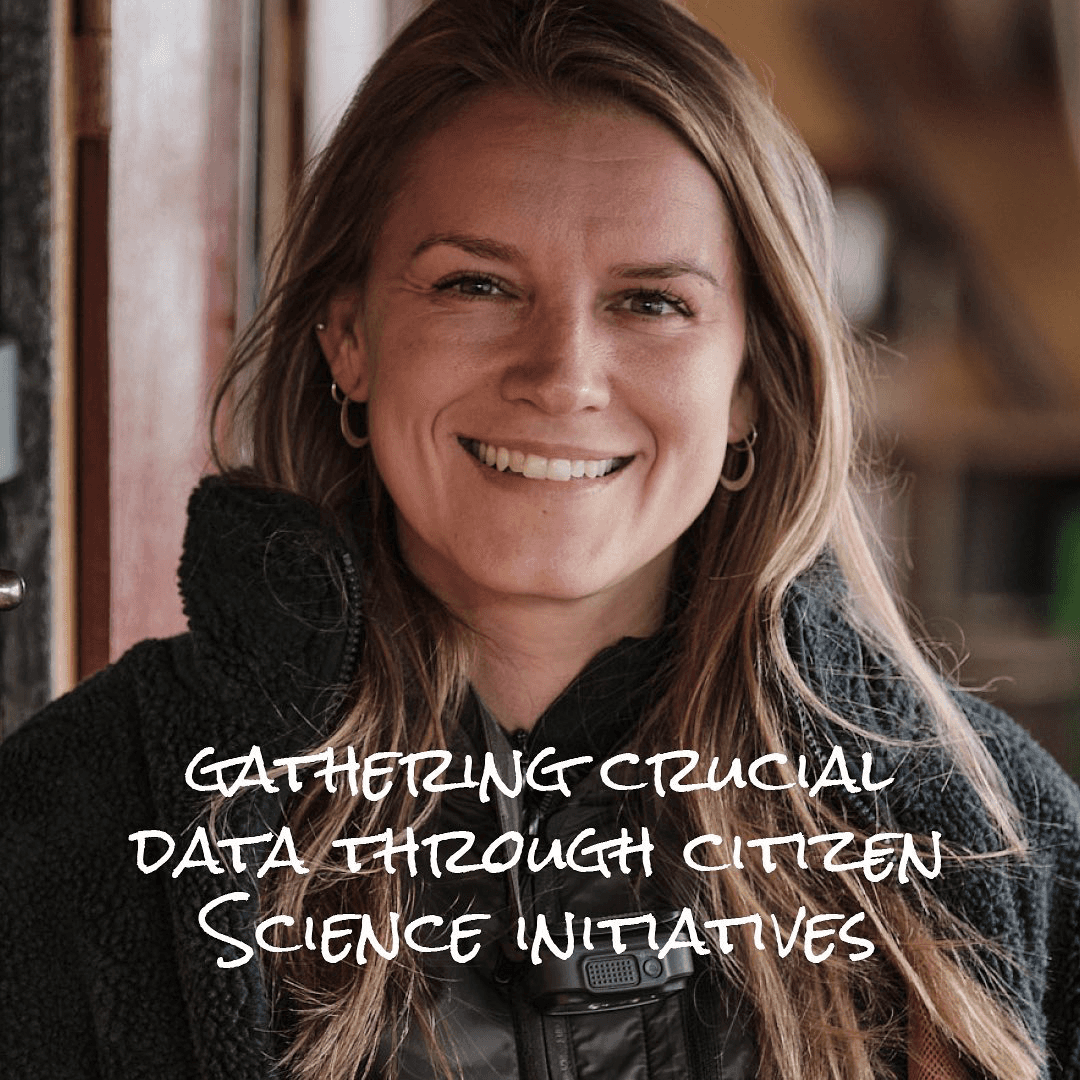
The Bark EUROPA, which ventures into remote regions rarely explored by other vessels, is an asset for collecting crucial data as part of citizen science initiatives.
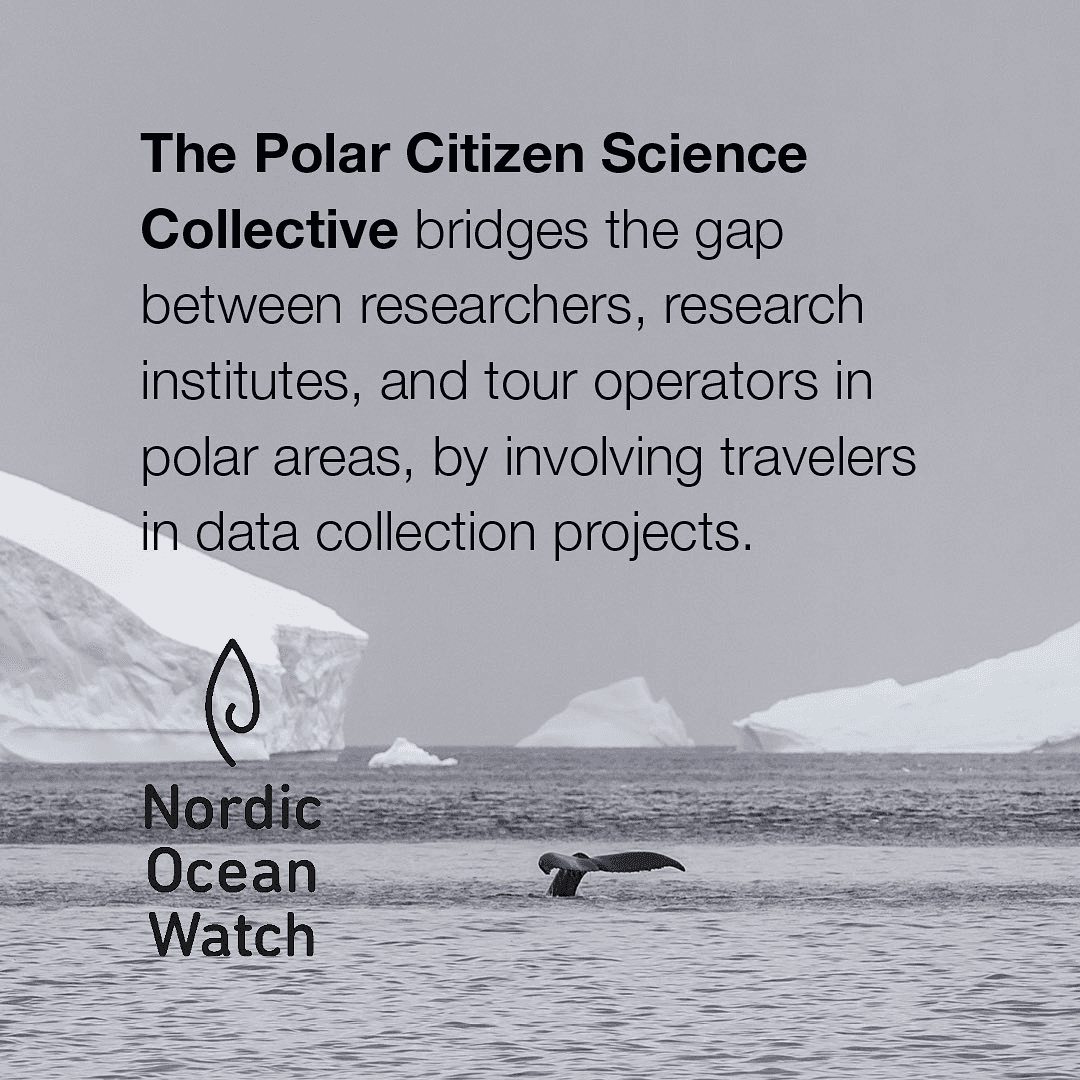
The ship has partnered with the Polar Citizen Science Collective, a community that connects researchers, research institutes, and tour operators in the polar regions. Their goal is to assist the polar scientific community by involving travelers in data collection projects.
In collaboration with Bark EUROPA and the Polar Citizen Science Collective, Nordic Ocean Watch Denmark actively participates in three citizen science projects: the Southern Ocean Seabird Survey, Happy Whale, and The Secchi Disk Study.
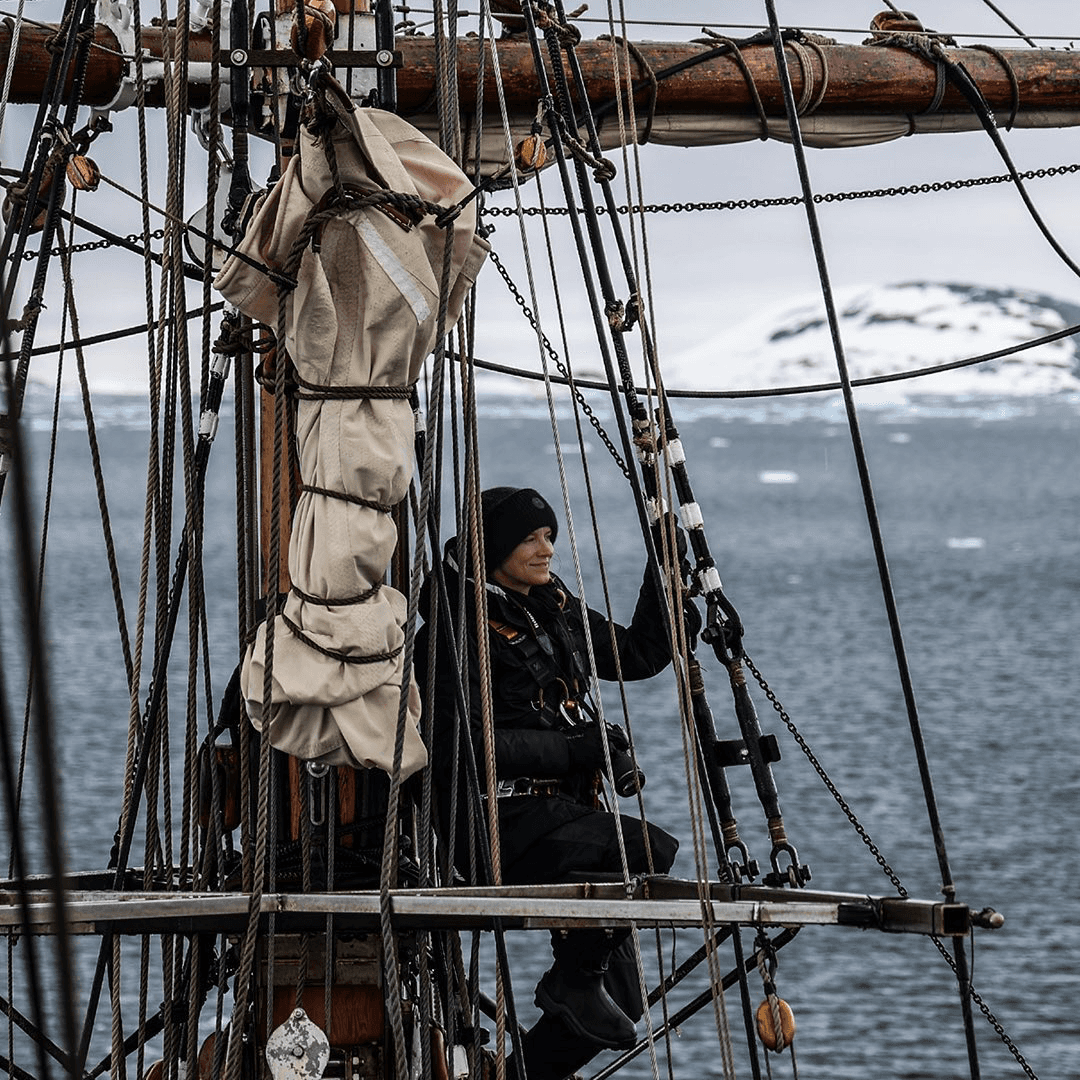
Regitze Andersen, founder of Nordic Ocean Watch Denmark, boarded the Bark Europa in Ushuaia, Argentina, as a member of the on-field science team.
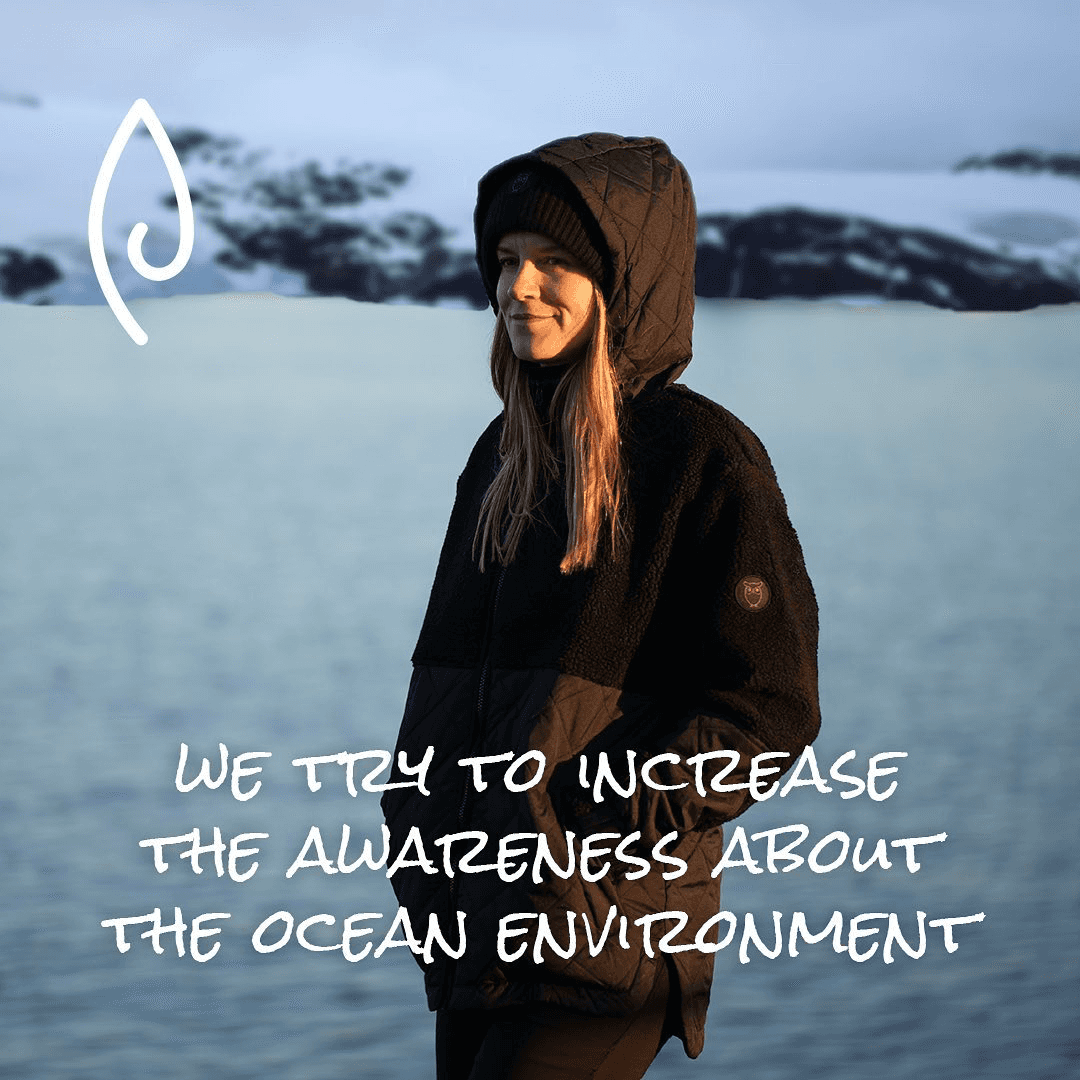
" Respect for the oceans plays an important role in the philosophy of EUROPA and its crew. In addition to sailing training, we therefore try to raise our crew's awareness of the ocean environment " explains Regitze Andersen.

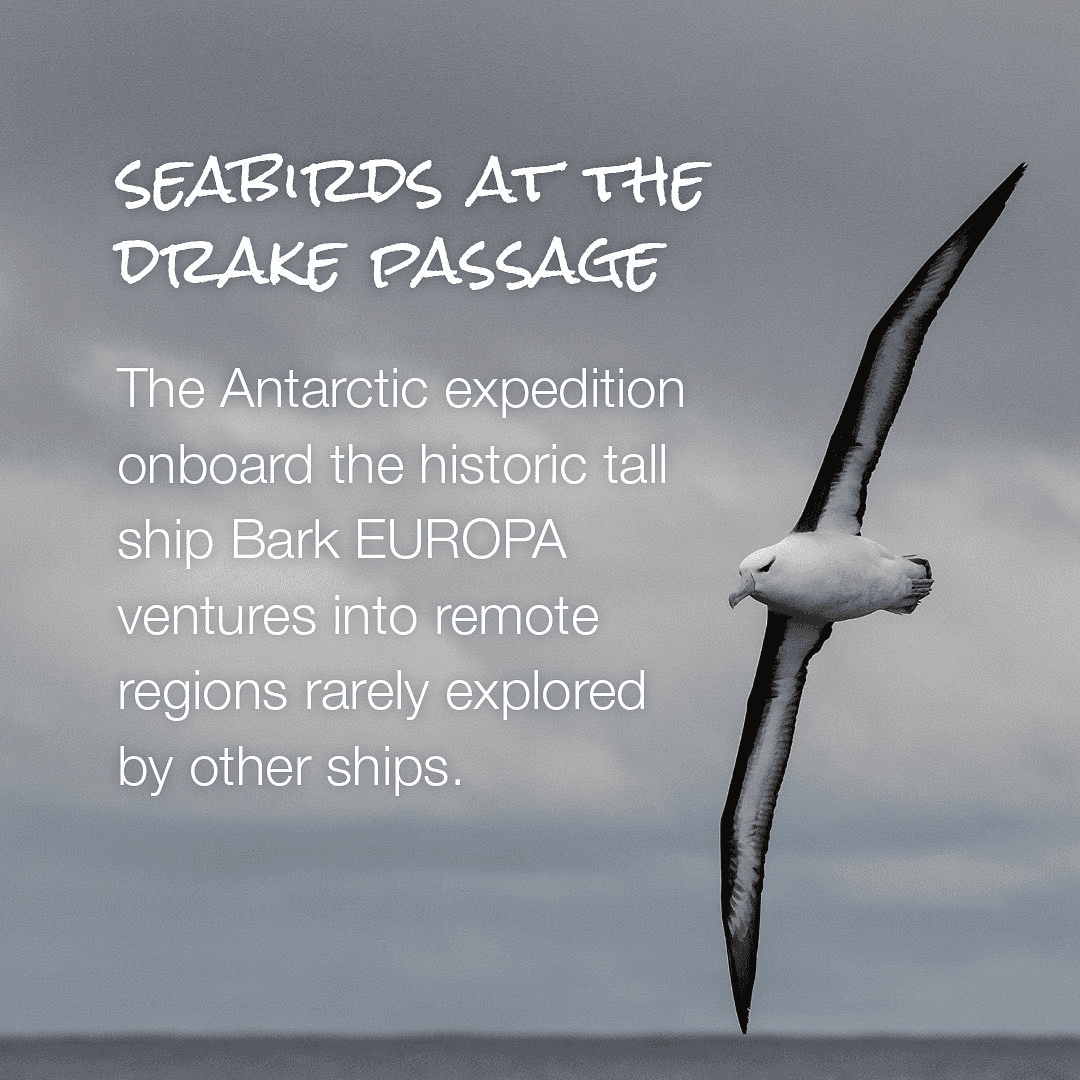
Seabirds of the Drake Passage
The journey to Antarctica began in Ushuaia, heading south. The crew sailed through the Beagle Channel and entered the challenging Drake Passage. Battling strong winds and high waves, marking the beginning of their journey to Antarctica.
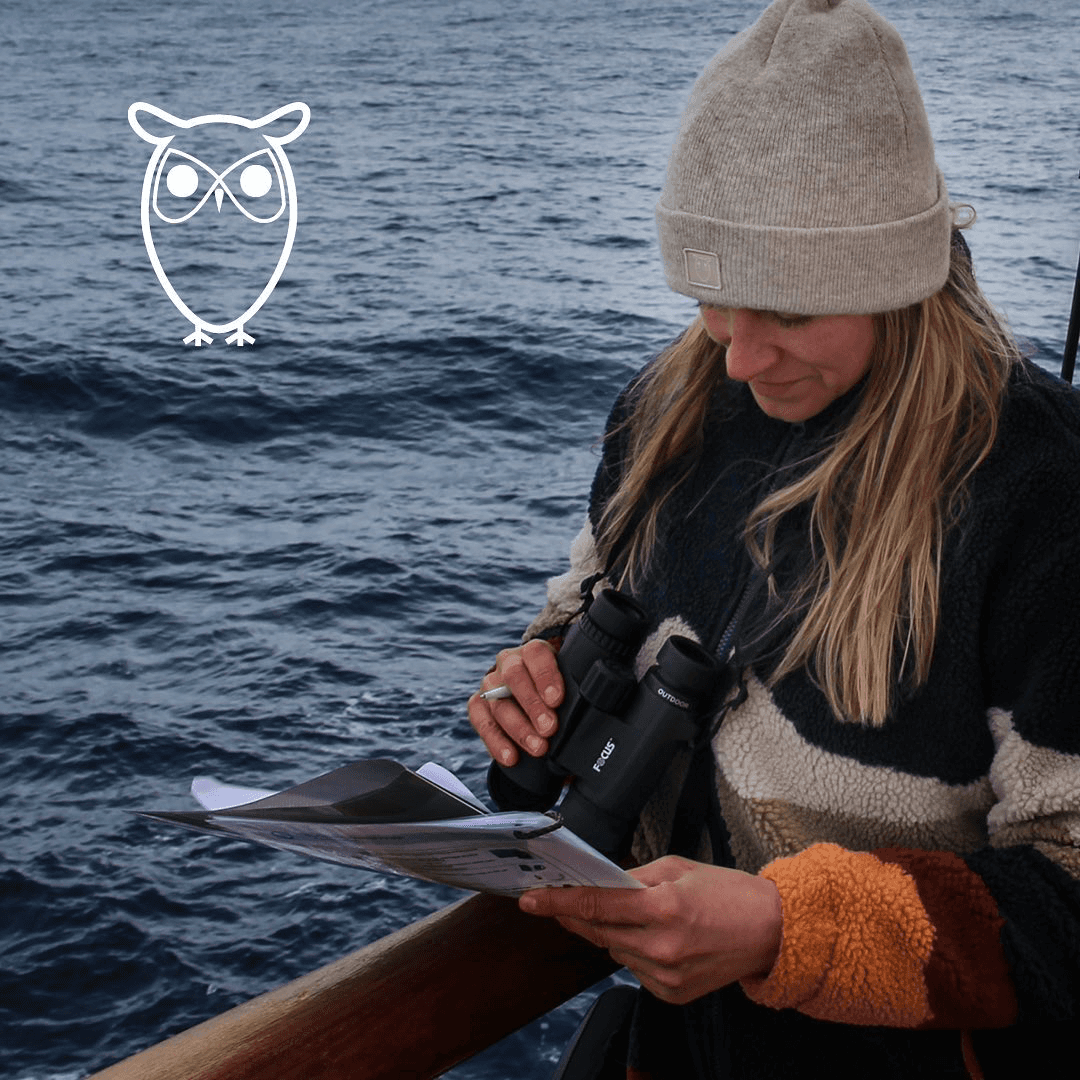
Sailing the vast Drake Passage, they began studying the seabirds of the Southern Ocean. Each day, the team gathered to observe and catalog seabirds using binoculars and guides.
" This precisely recorded data offers crucial information on bird behavior and the impact of climate change on their habitats. When we entered the Antarctic system, marked by a sharp drop in temperature to 3.4 °C, the study reflected the changing seascape: the number of albatrosses decreased in favor of Cape petrels and southern fulmars. "
Spotting Whales
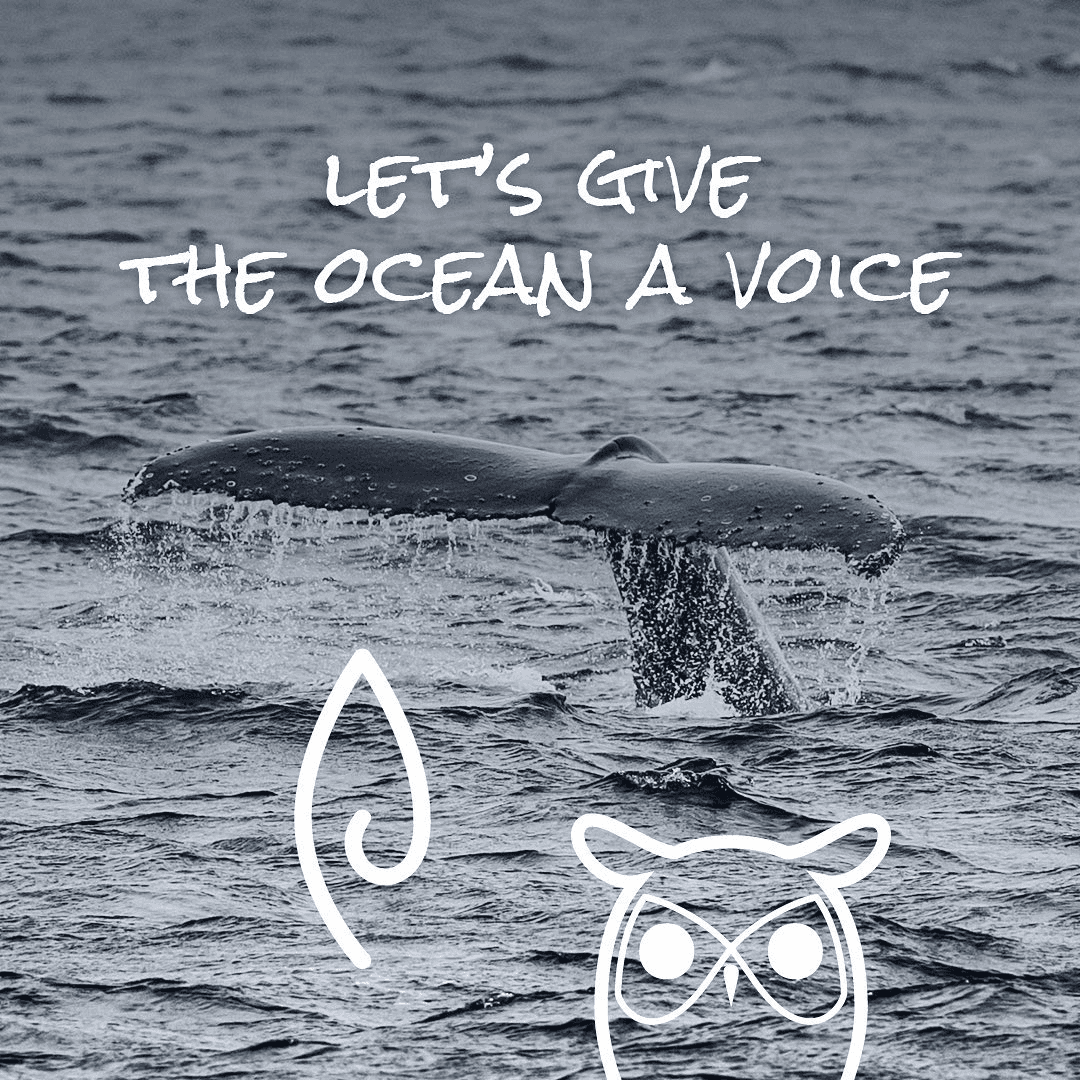
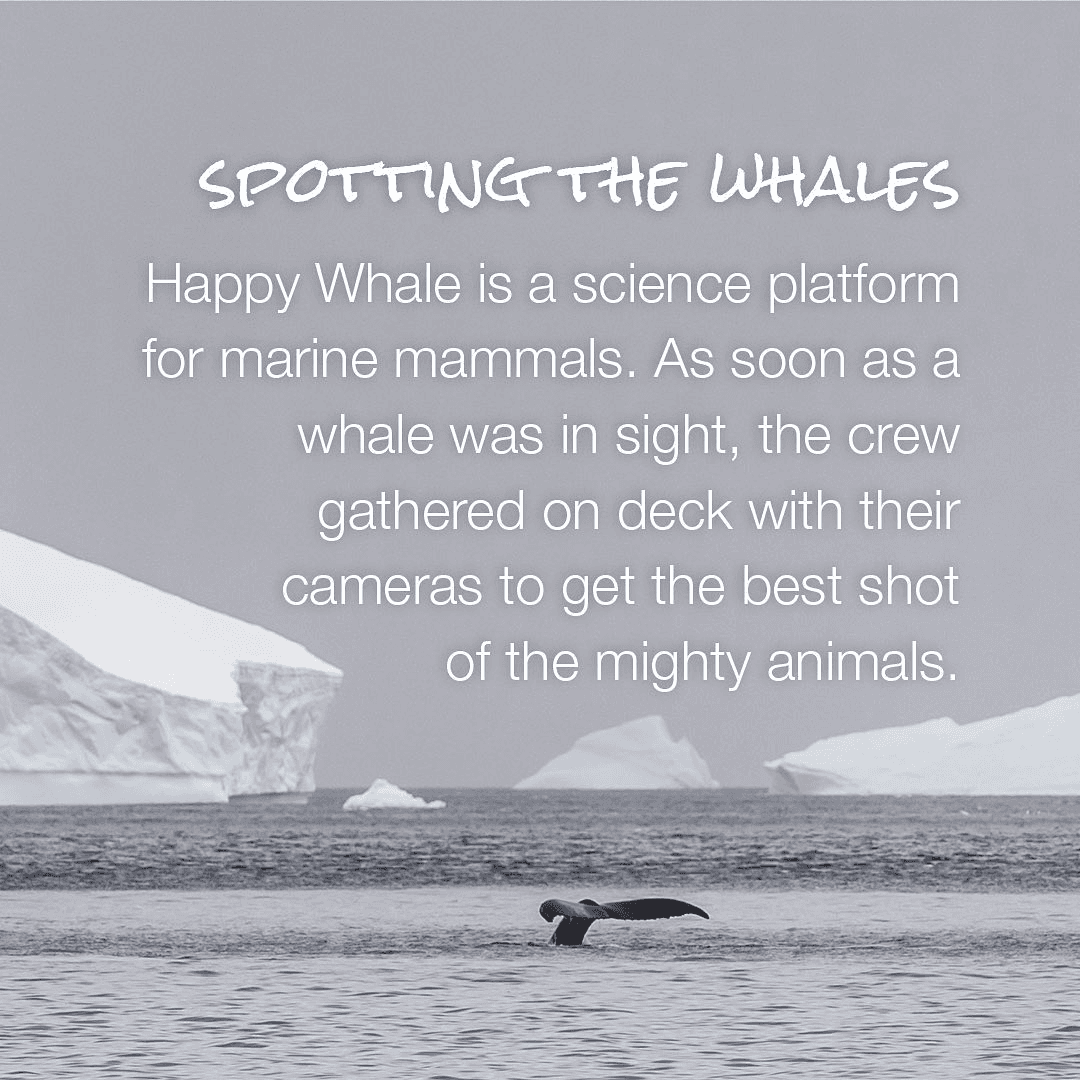
As the EUROPA continued south toward the Antarctic Peninsula, humpback whales were occasionally spotted by lookouts - a good opportunity to photograph them for Happy Whale, a platform gathering marine mammal photos taken by citizen scientists worldwide for photo-identification to provide valuable insights into whale migration patterns and population health.
" Humpback whales are easily identifiable thanks to the unique markings on their tail flukes, which categorize them into five distinct groups ranging from white to black. One notable whale, marked by a tail injury likely caused by a vessel, highlighted the dangers they encounter. Happy Whale provides essential data on humpback whale migration, showing that more than 95% of them travel annually from Antarctica to Central and South America, sometimes reaching Oceania or Brazil. The longest known migration covers an astounding distance of 10,922 km one way, from Antarctica to Tonga. "
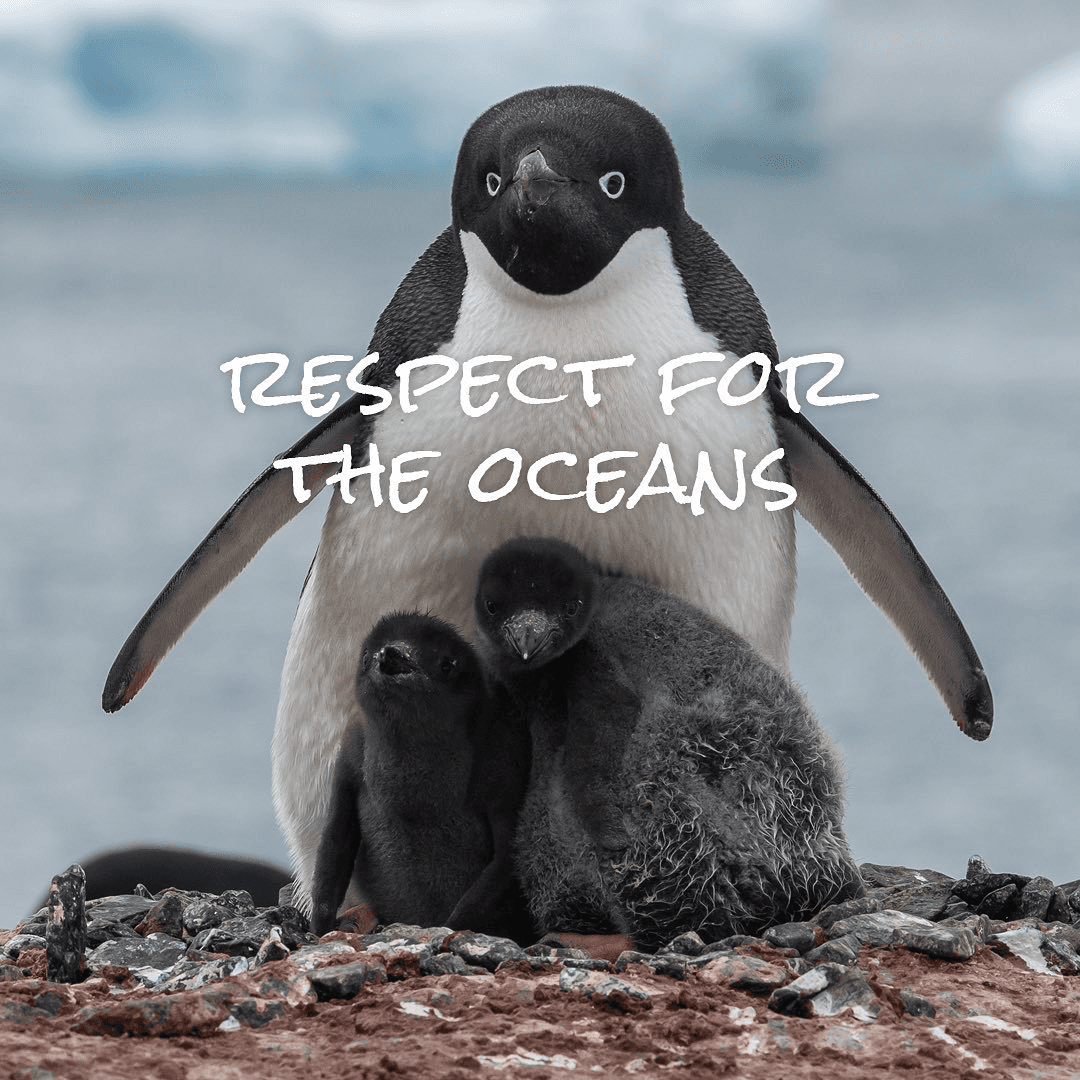
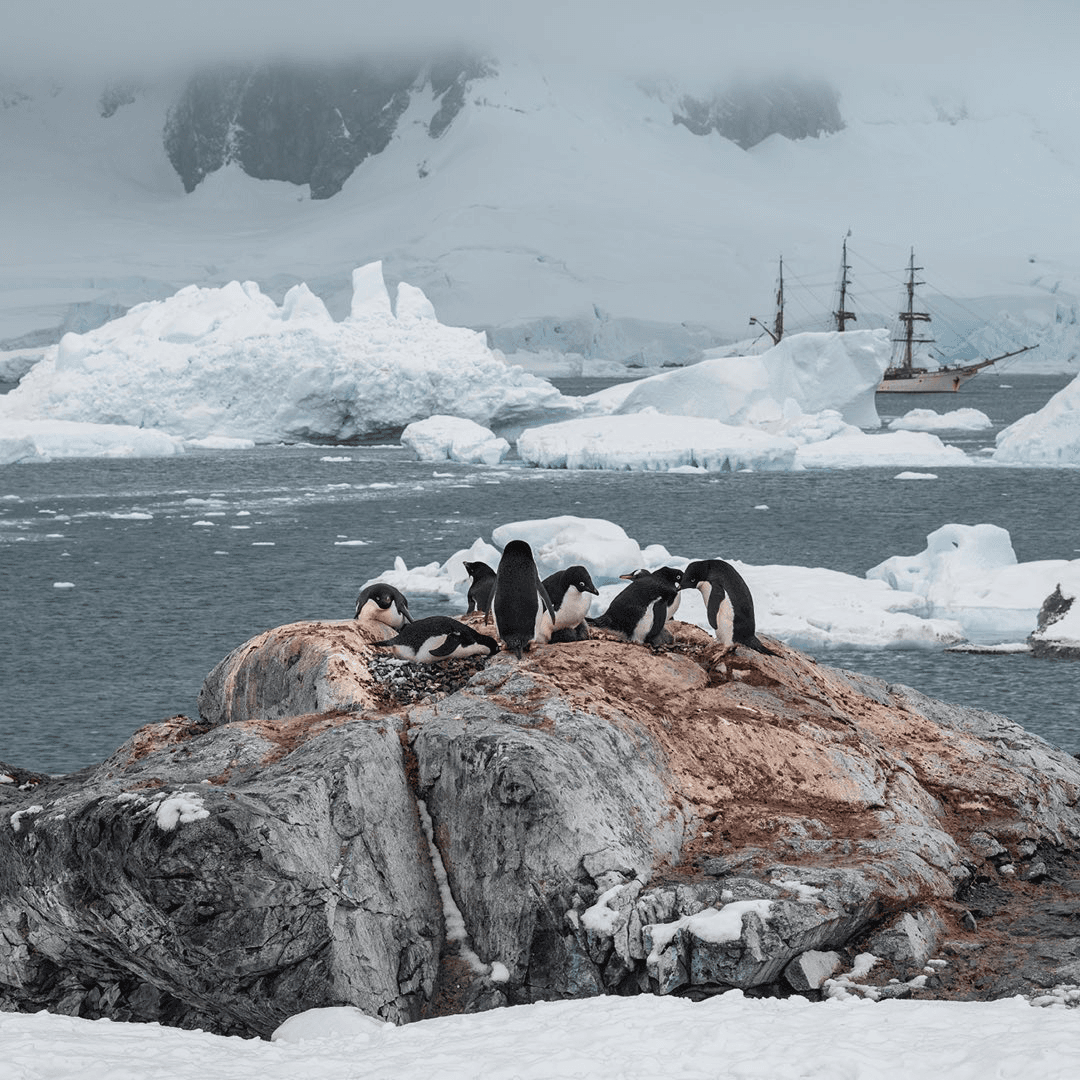
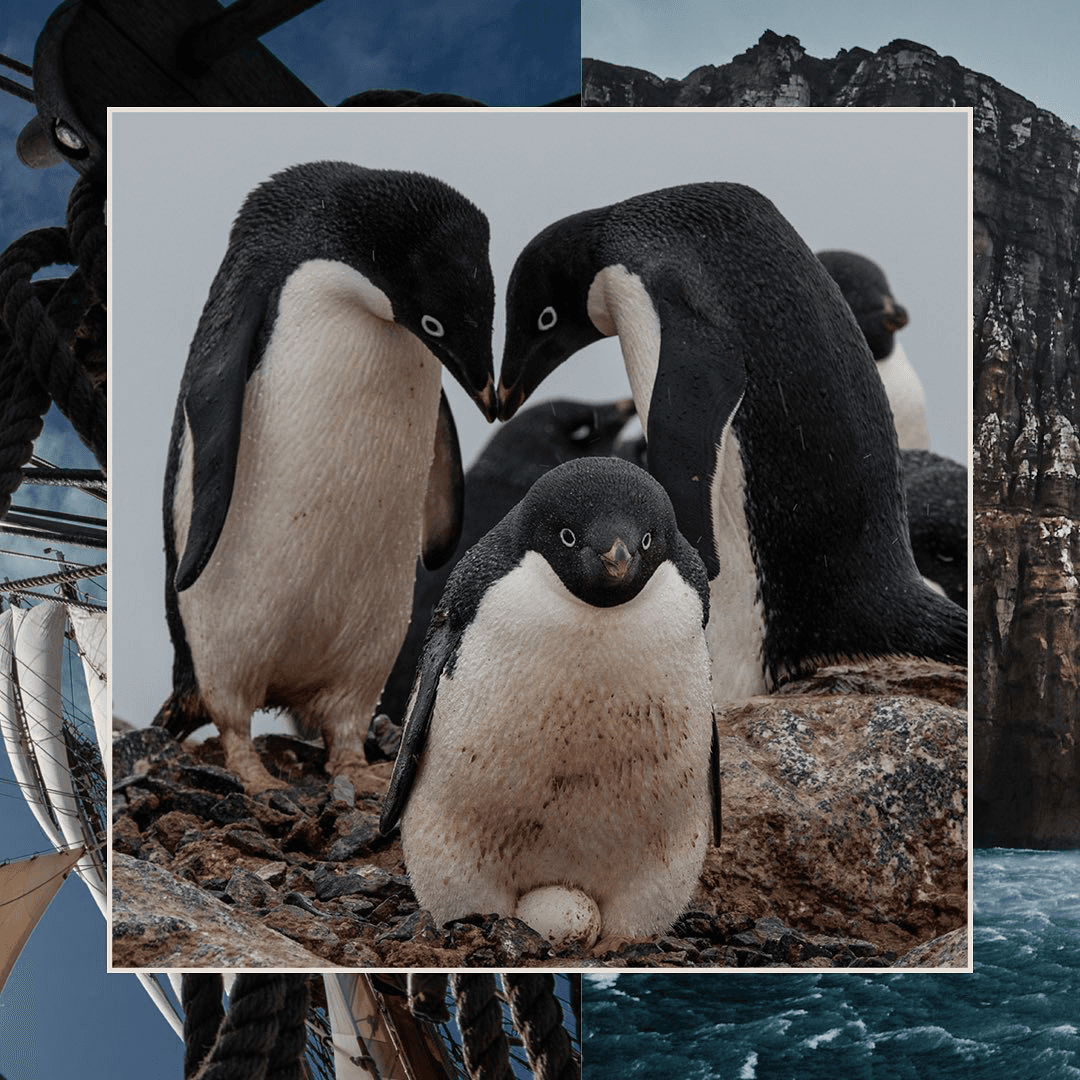
During the voyage, a pod of killer whales appeared, captured briefly by a crew member's camera. Killer whales, with their unique dorsal fins and pigmentation patterns, reveal information on sex, age, and subgroup. En route to the Antarctic Peninsula, the team explored the South Shetland Islands, landing at Fort Point, a breathtaking site with cliffs, glacier fronts, and penguin rookeries.
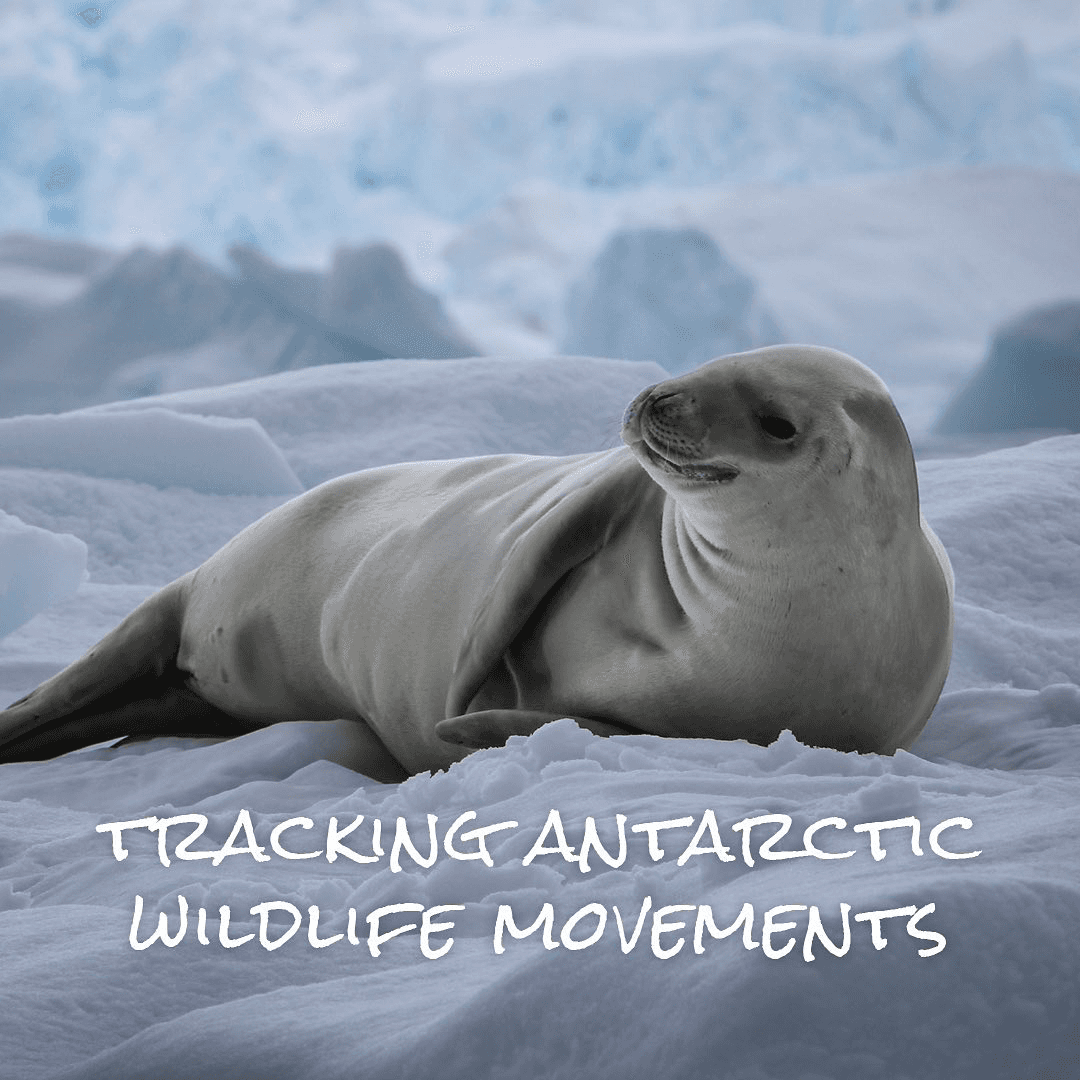
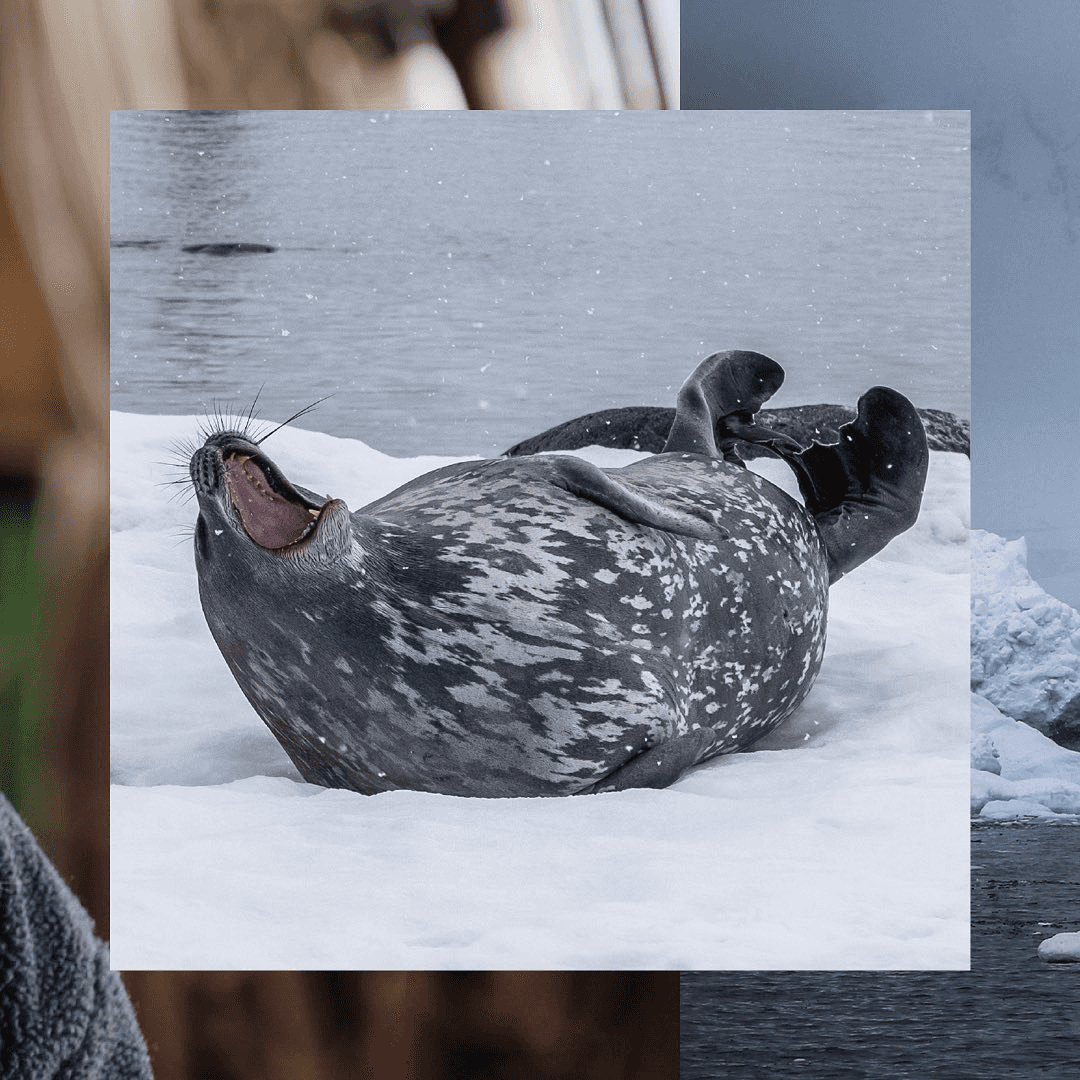
" In addition to whales, Happy Whale is also interested in Weddell seals, and we caught a few of them taking a nap on the shore. Documenting them will help us better understand wildlife movements on the Antarctic Peninsula. "

The Secchi Disk Study
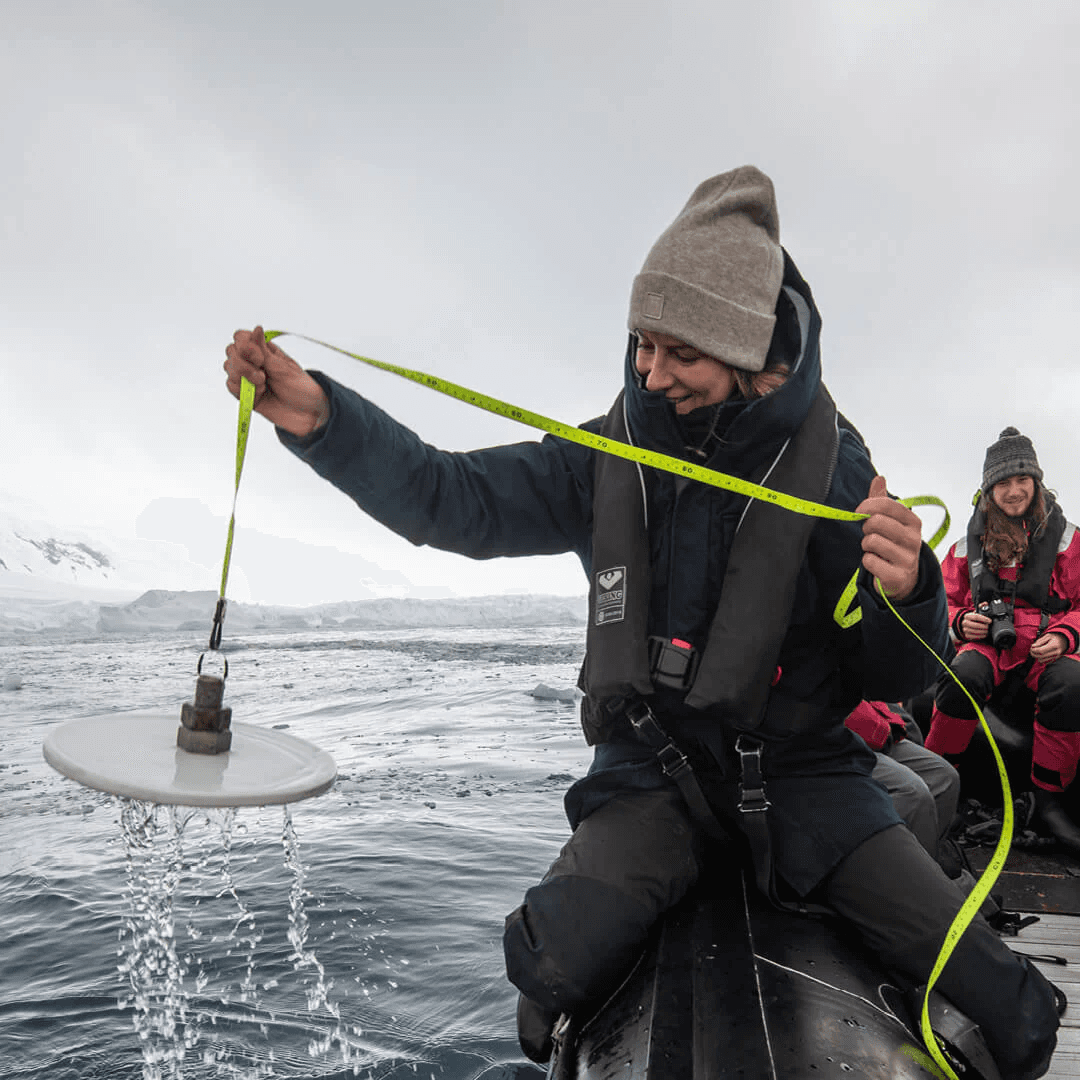
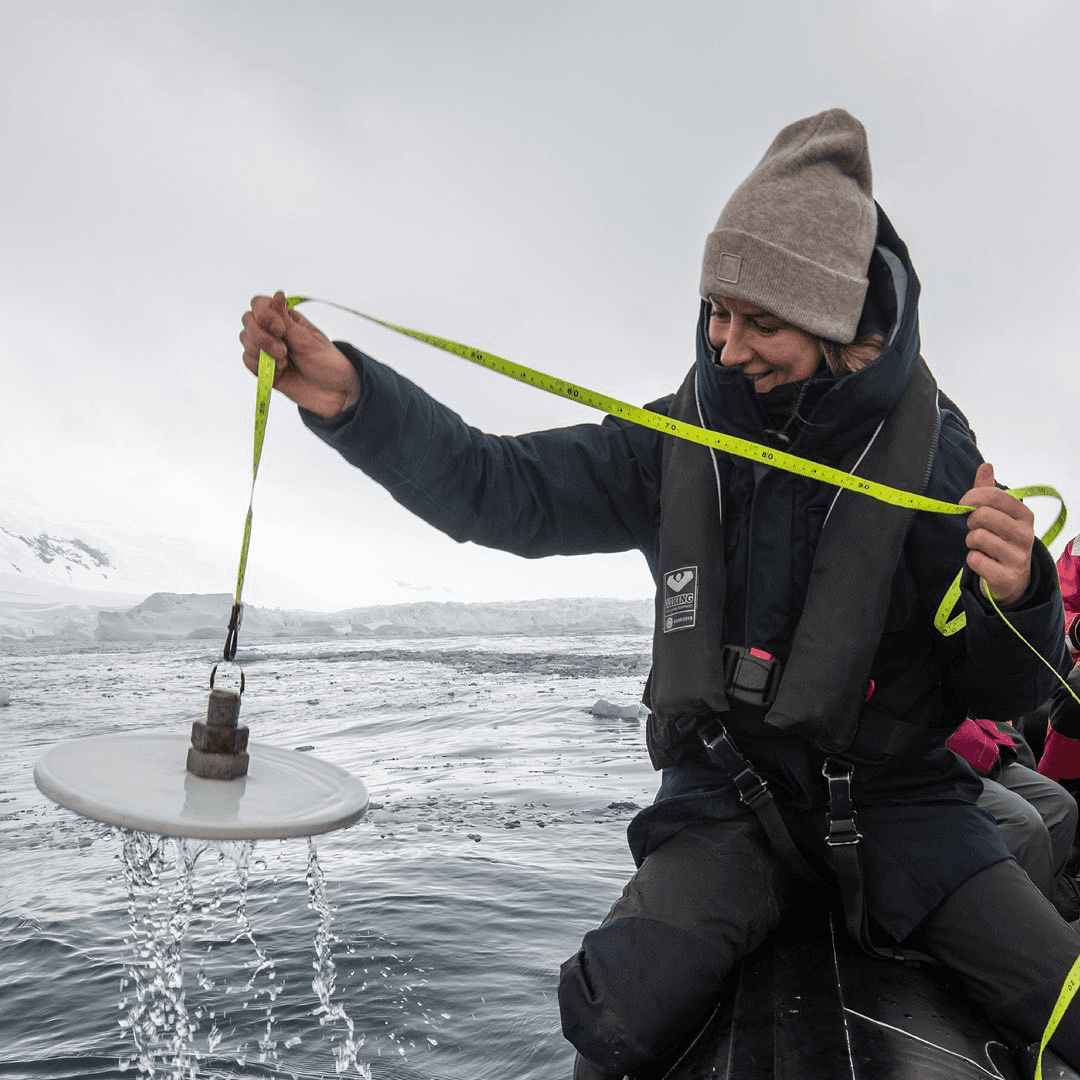
After reaching Antarctic waters, Bark EUROPA safely dropped anchor and the crew began exploring the Trooz Glacier front during a zodiac cruise. They also made a short stop in Collins Bay, where they were able to deploy the Secchi disk for the first time.
" The Secchi Disk Study is the world's largest citizen science initiative focused on phytoplankton. Its data forms a comprehensive global database that tracks the abundance of phytoplankton in the oceans. This valuable resource allows researchers to study the impact of climate change on phytoplankton and the marine ecosystem as a whole. "
Phytoplankton is the foundation of the marine food web and is one of the most important life forms in the ocean, as it determines the amount of other marine life, from small crustaceans to fish, seabirds, seals, and whales. Phytoplankton alone produces 70% of the Earth's oxygen and helps regulate the atmosphere by absorbing CO₂ and nitrogen. Research has suggested that its abundance declined by 40% globally between 1960 and 2010 due to climate change.

" Citizen science studies help gather invaluable global data, especially in polar regions that are rarely explored. The partnership between Bark Europa and The Polar Citizen Science allows us to support scientists in remote data collection. Participating in these projects not only supports scientific research but also enhances the educational experience of our crew, enriching their voyage in this grandiose setting, concludes Regitze Andersen. "
KnowledgeCotton Apparele.com/brands#/kca is a fan of Nordic Ocean Watch Denmark and celebrates the important work of Regitze Andersen.
Let's give the ocean a voice!





Take your brand further
Get the latest news and updates – No spam, we promise
