10 best practices in fashion retail: advices from a specialist
Published

Antoine Leneuf, CEO of the agency, observes fashion retail on a daily basis through the prism of wholesale. Here is what he identifies as the fundamentals of a successful boutique.
Retail, a balancing act
By visiting stores, supporting openings, and following hundreds of customers over several seasons, a wholesale agent develops a unique perspective on what makes a point of sale work—or not. Antoine Leneuf, CEO of Clothette, shares the best practices he observes among retailers who achieve lasting success.
1. Buy with your own taste, with your customer base in mind
"There has to be a balance," Antoine summarizes. "We sell a product better when we appreciate it. You have to buy according to your taste while always keeping your customer base in focus." The shopkeeper's personal taste is often what attracts customers in the first place, but it must remain at the service of a commercial vision, not replace it.
 |  |
2. Clearly define your price and style positioning
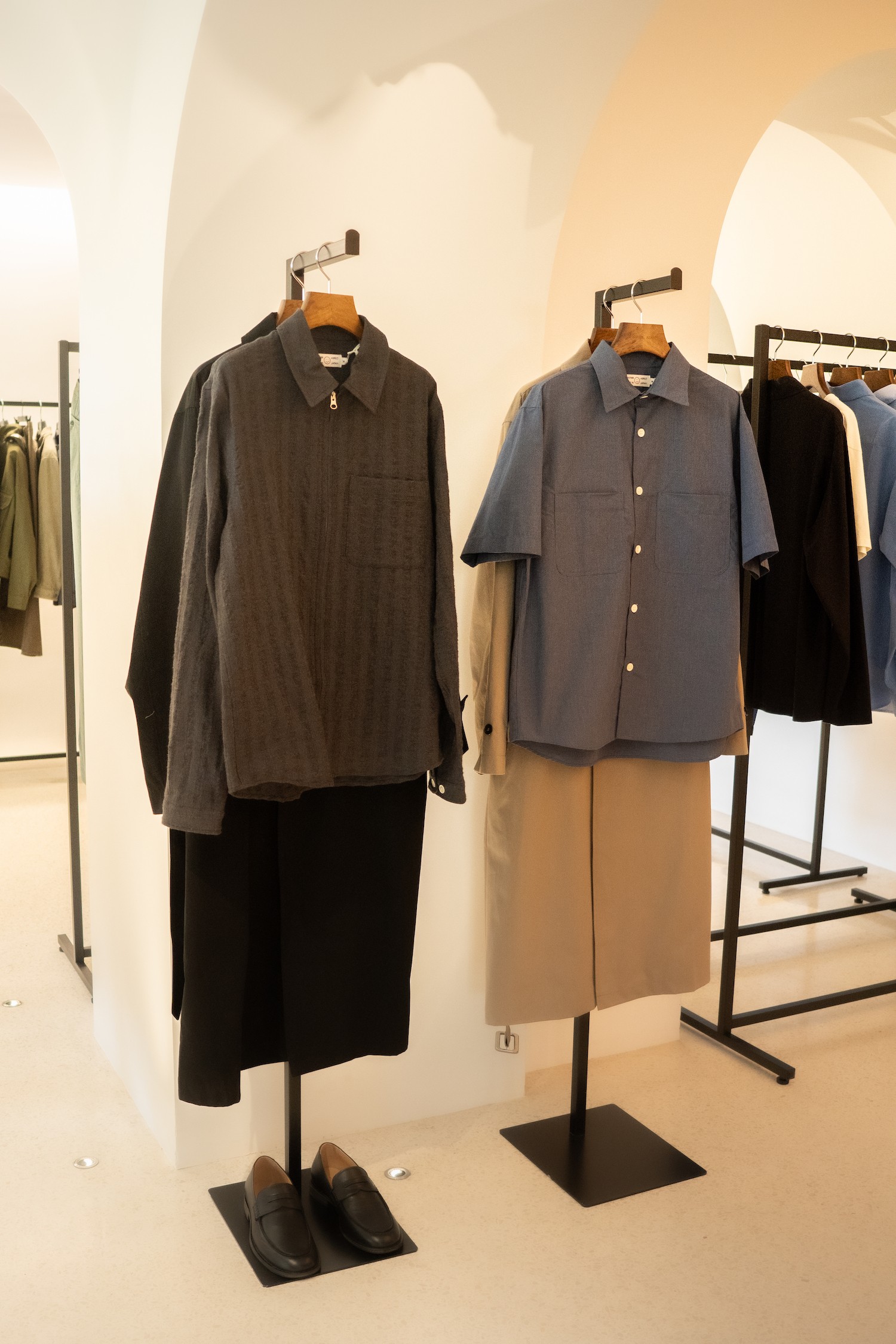
"Defining your price positioning is a matter of price but also of the brand environment. Putting an entry-level brand next to a high-end institution poses a risk of confusion for the final customer." This is a common mistake among shopkeepers who have just opened: "Some display an offering structure without real consistency." The solution: take strong inspiration from brand environments that already work.
3. Build a coherent and balanced assortment
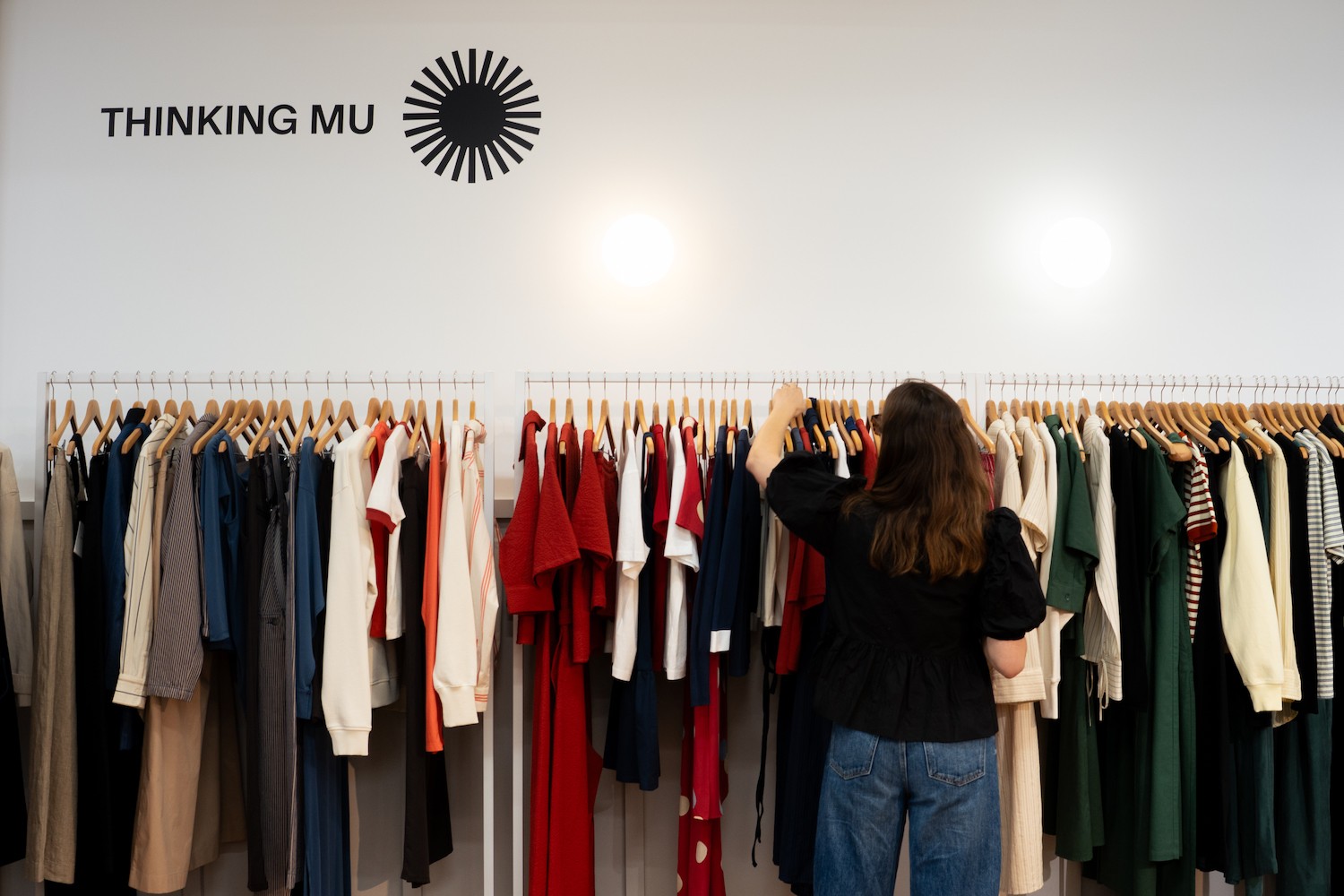
"You have to know how to limit references to maintain readability in the store," Antoine explains. The classic trap: accumulating too many brands, which prevents each of them from being properly expressed. "To properly express a brand, you need to display a sufficient number of products. If this selection lacks depth, the sell-through can drop because a customer coming for that brand will feel uncomfortable." On the flip side, too many brands at once overclutters the shop and blurs the message.
 |  |
4. Buy enough of the brands that matter
The flip side of the previous point: under-representing a brand you believe in. "It must be sufficiently represented to be viable in the store," Antoine specifies, particularly for brands with large collections. "If the selection is insufficient, the customer is disappointed and ends up buying online," digital competition is also played out on the depth of the in-store offering.
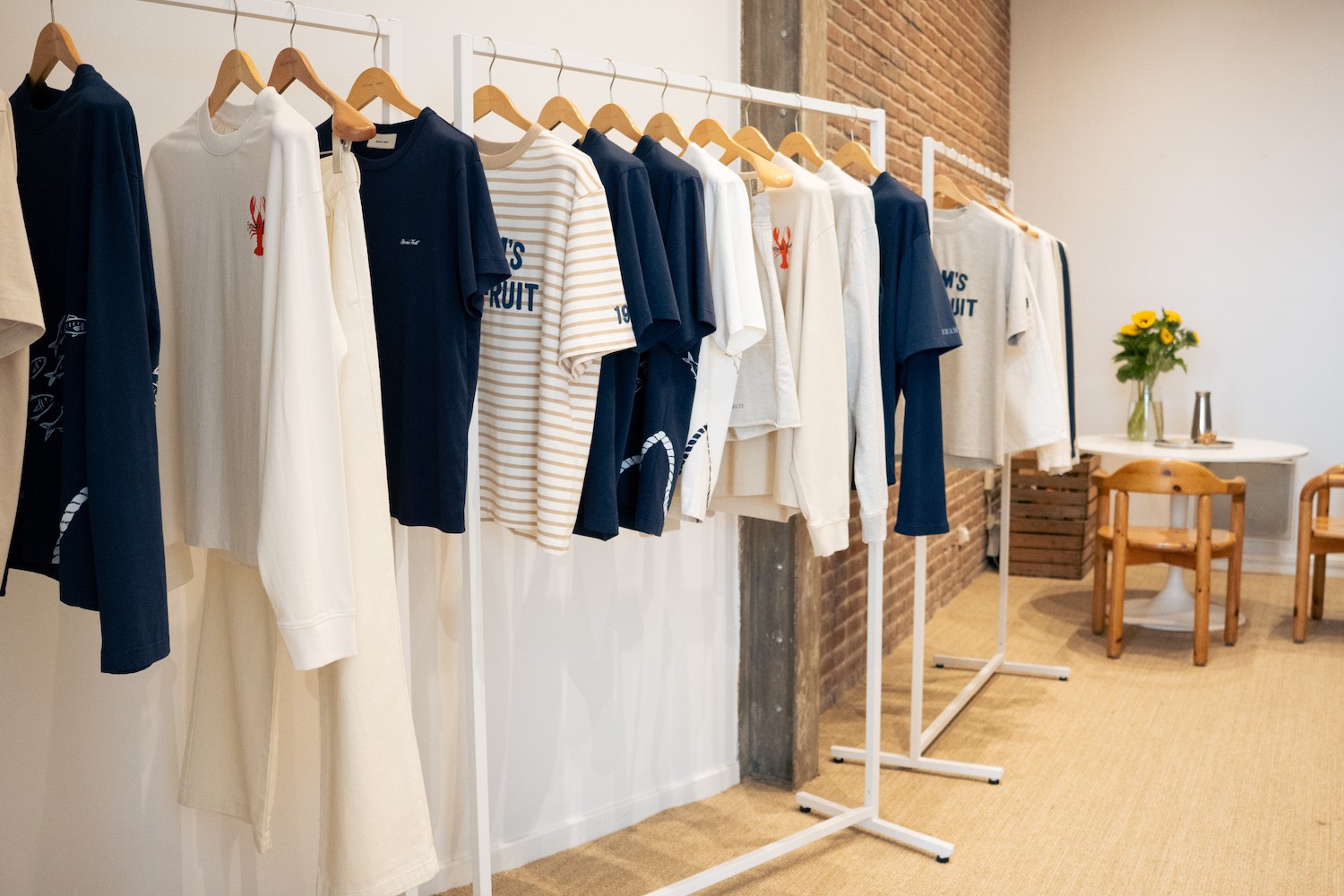
5. Mix brands with a clear coherence
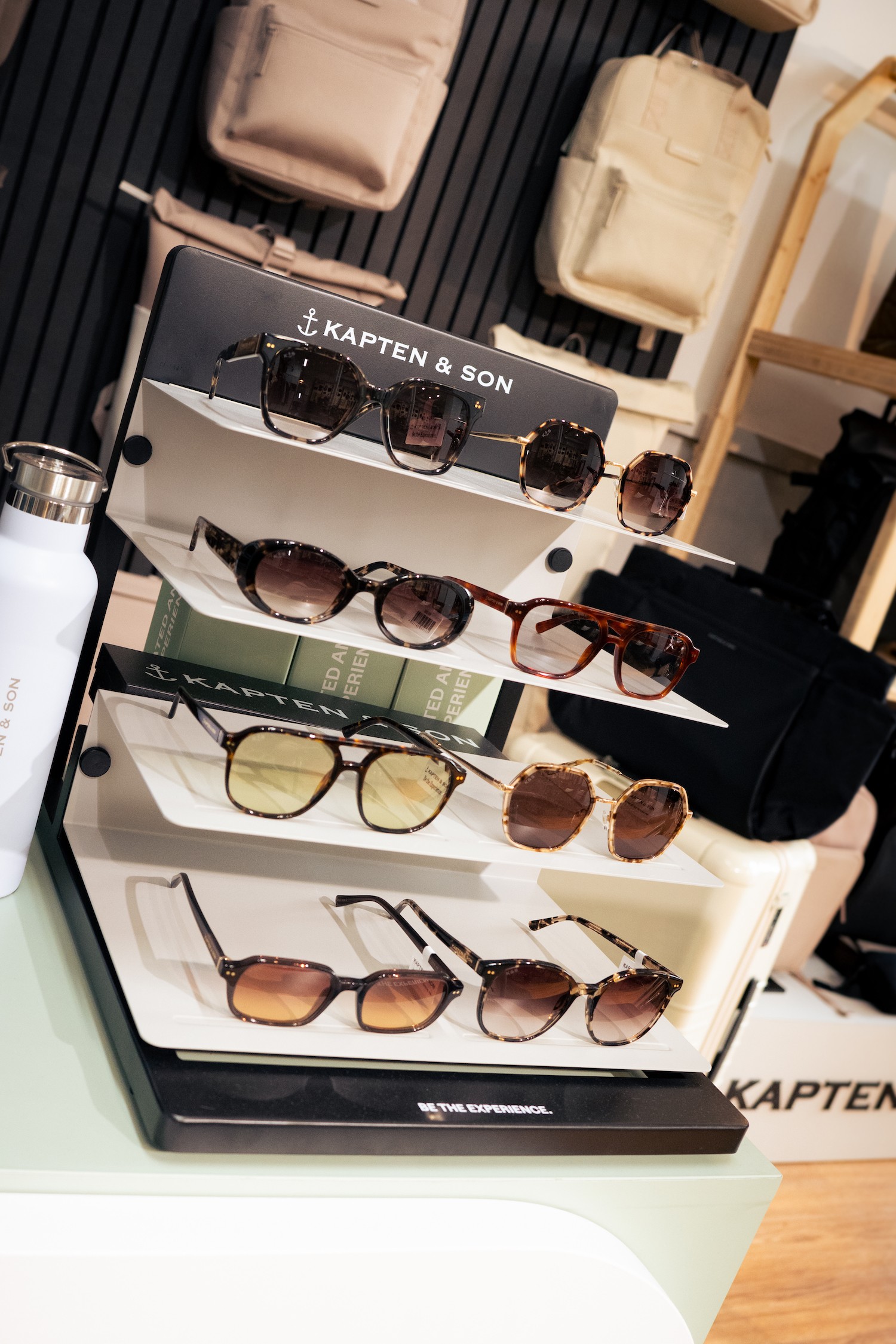
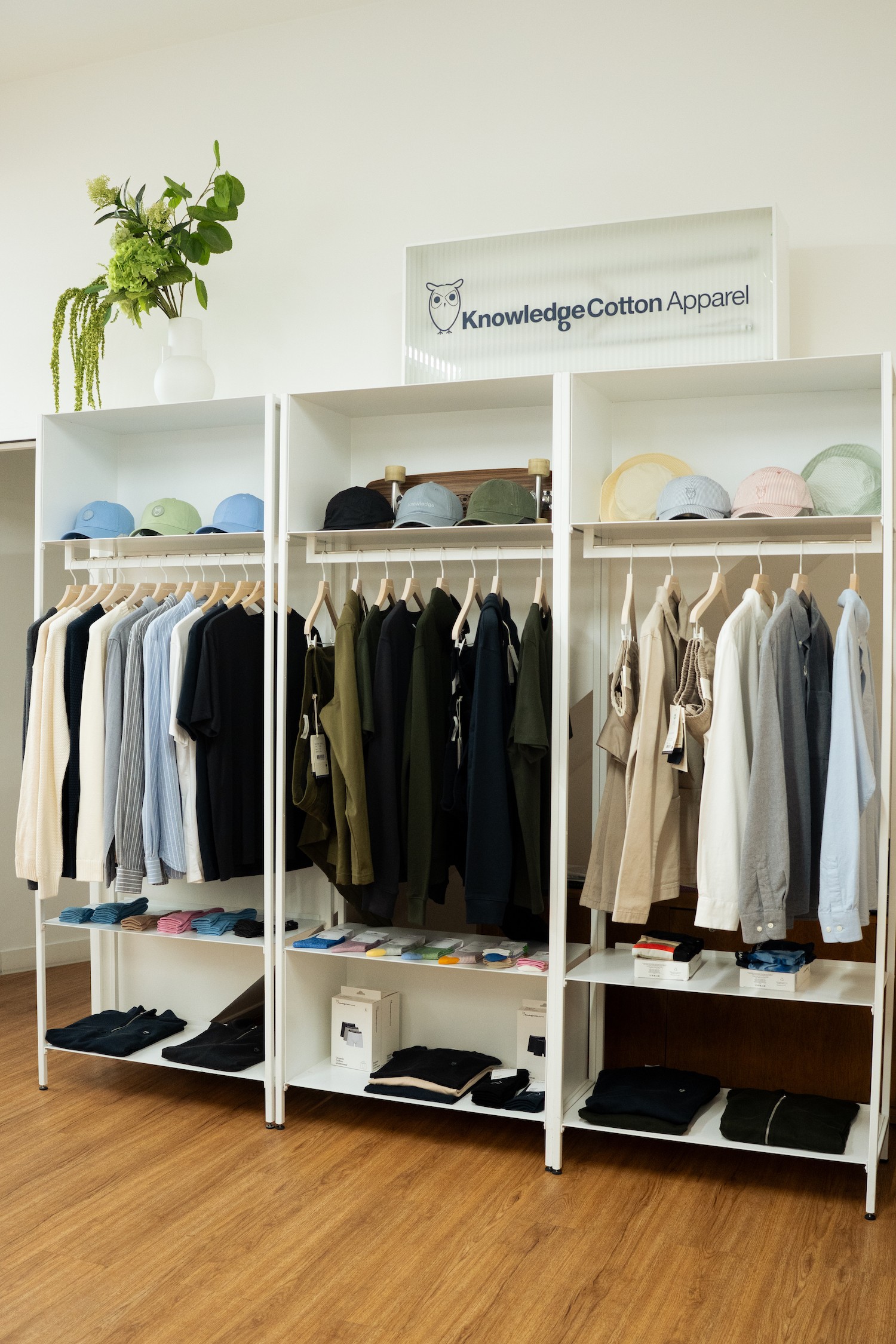
Beyond price positioning, it is the coherence of the universe that makes a selection work as a whole rather than as an accumulation of disparate references. A successful boutique builds a visible story through its brands, with consistency around a common thread.
 |  |
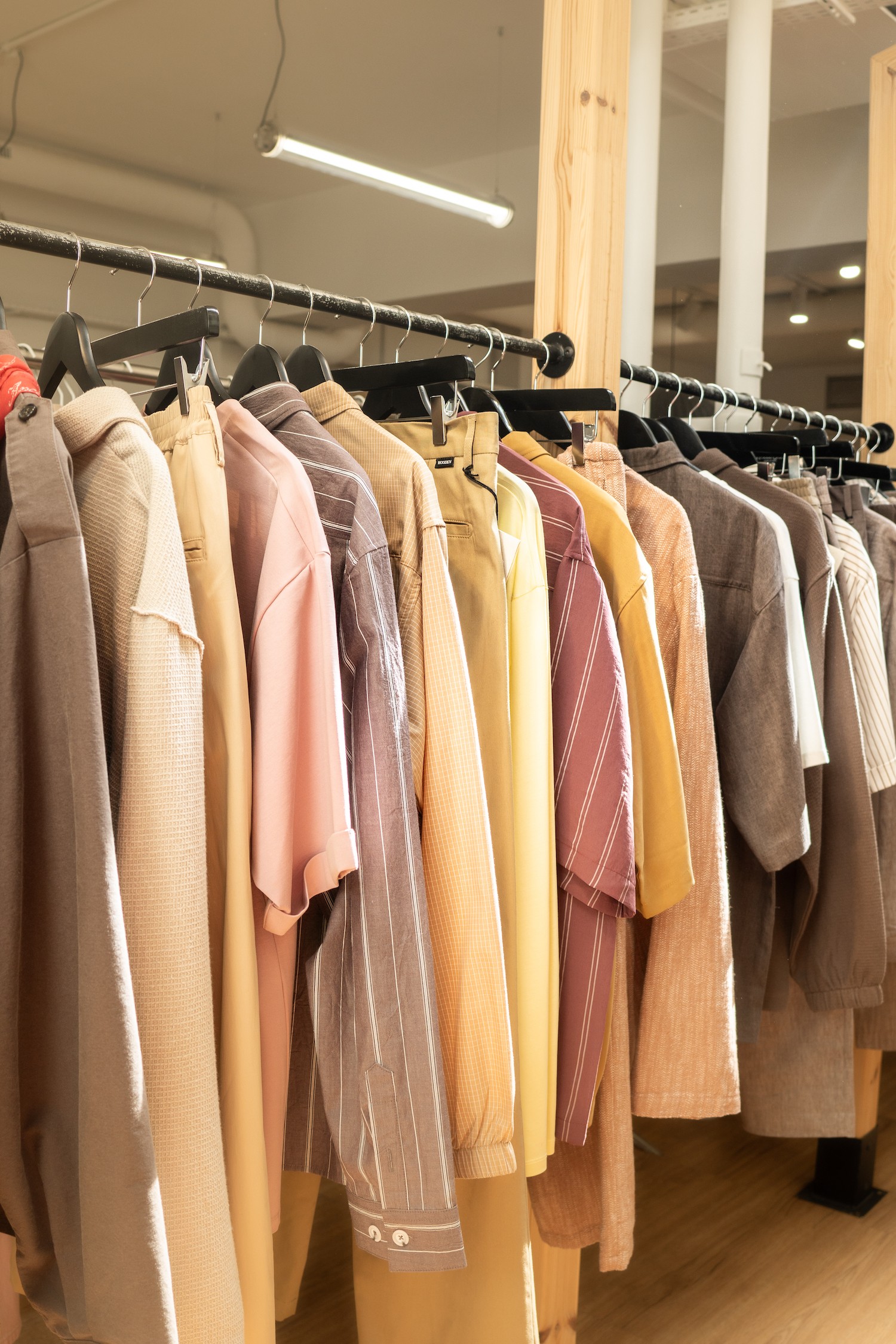
6. Keep your merchandising alive over time
"Orders are rarely delivered all at once," Antoine points out. Presenting by brand can work for a few weeks, but a store has to stay alive. "You have to rotate your merchandising. Let the racks change places, the products on the same rack move, and change the window display regularly." The challenge: a customer discovers new facets of the collection with each visit. "They might pass by the polo shirt that was in the middle of the rack. Once it is placed in the window, visitors will see it and think it's beautiful, even though that piece has been in the shop for three months."
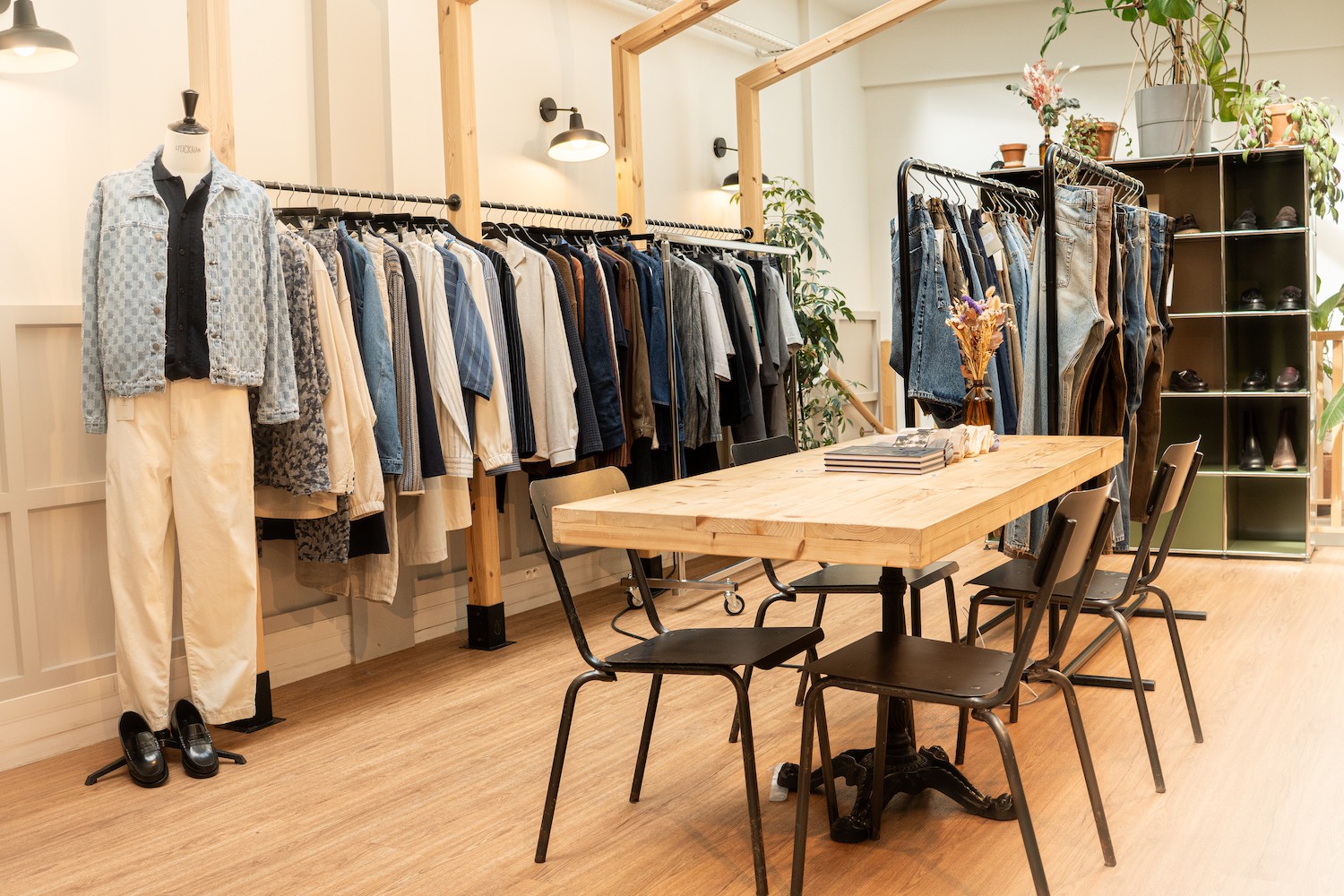
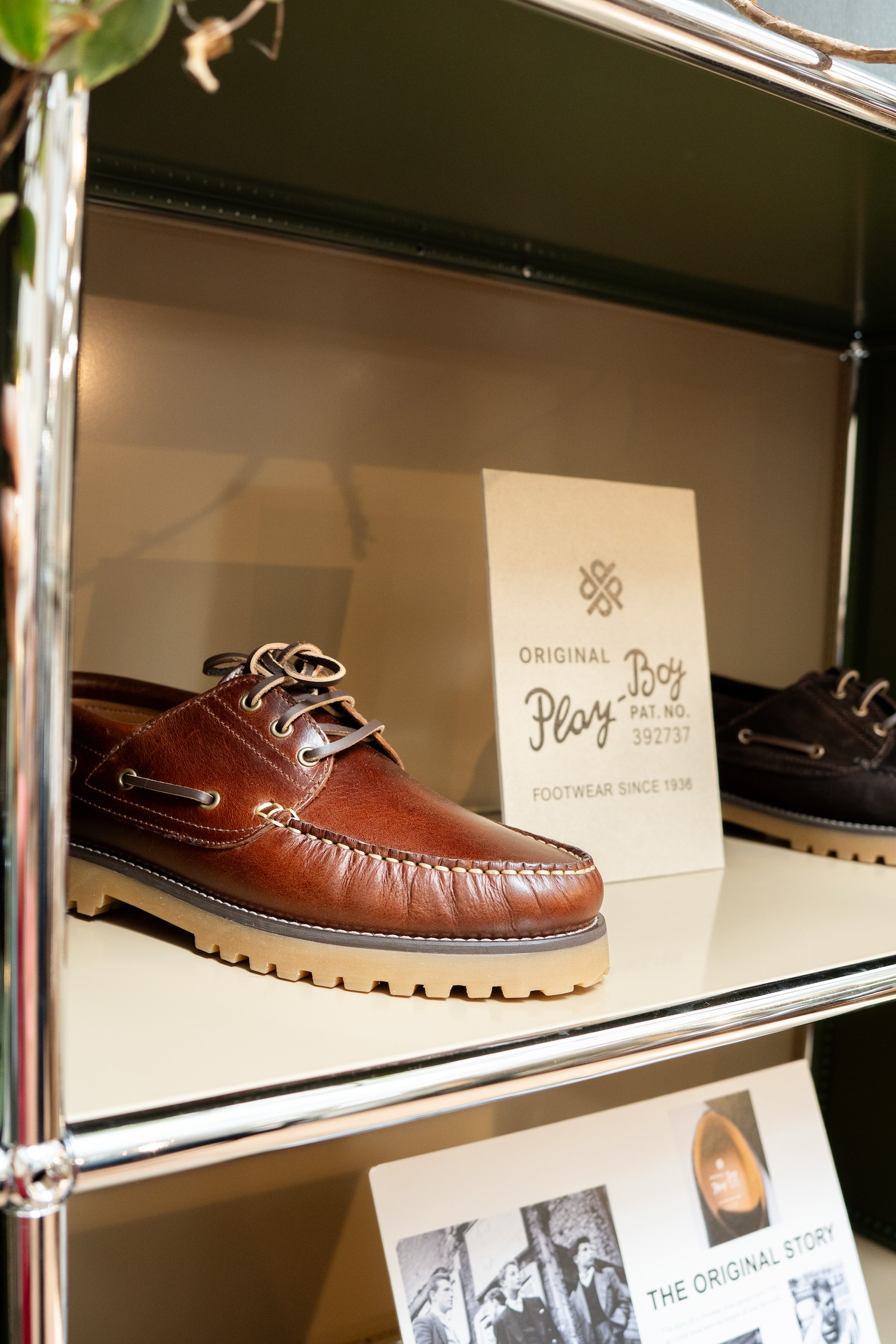
7. Buy at the right time, for the actual real season
"Seasons are completely out of sync today between seasonal reality and fashion season reality," Antoine observes. Leaving some purchasing budget available allows you to go and get the products that are missing when the actual season differs from the collections calendar. This also means knowing your brands' basics well: "If you realize you have gaps in your offering, you must have the ability to go and restock. White t-shirts, light blue Oxford shirts, essential basics." Timeless products must always be available; seasonal products must arrive at the right time.
 |  |
8. Train your sales team on products and brands
"It's a common situation: the sales team is poorly trained on products and brands," Antoine notes. "We see the buyers, less so the in-store sales staff. It is very important to pass the information down." A sales assistant who is convinced of a selection sells it better. "Today, product knowledge is fragmented, despite access to all possible information on the internet." For an independent retailer, it is precisely this closeness and advice that make the difference against fast fashion and department stores.
9. Find the balance between intuition and data
"You have to find the right balance between emotions and numbers," Antoine summarizes, distinguishing those who select purely based on gut feeling from those who only rely on statistics. Both extremes have their limits. "Often, we buy strong pieces we believe in the least in small quantities; and they end up being the first to go." The right habit: manage with statistics, but choose with your heart. "Without those strong pieces, you lose all the appeal of an independent store."
 |  |
10. Take care of the details: presentation, accessories, and personality
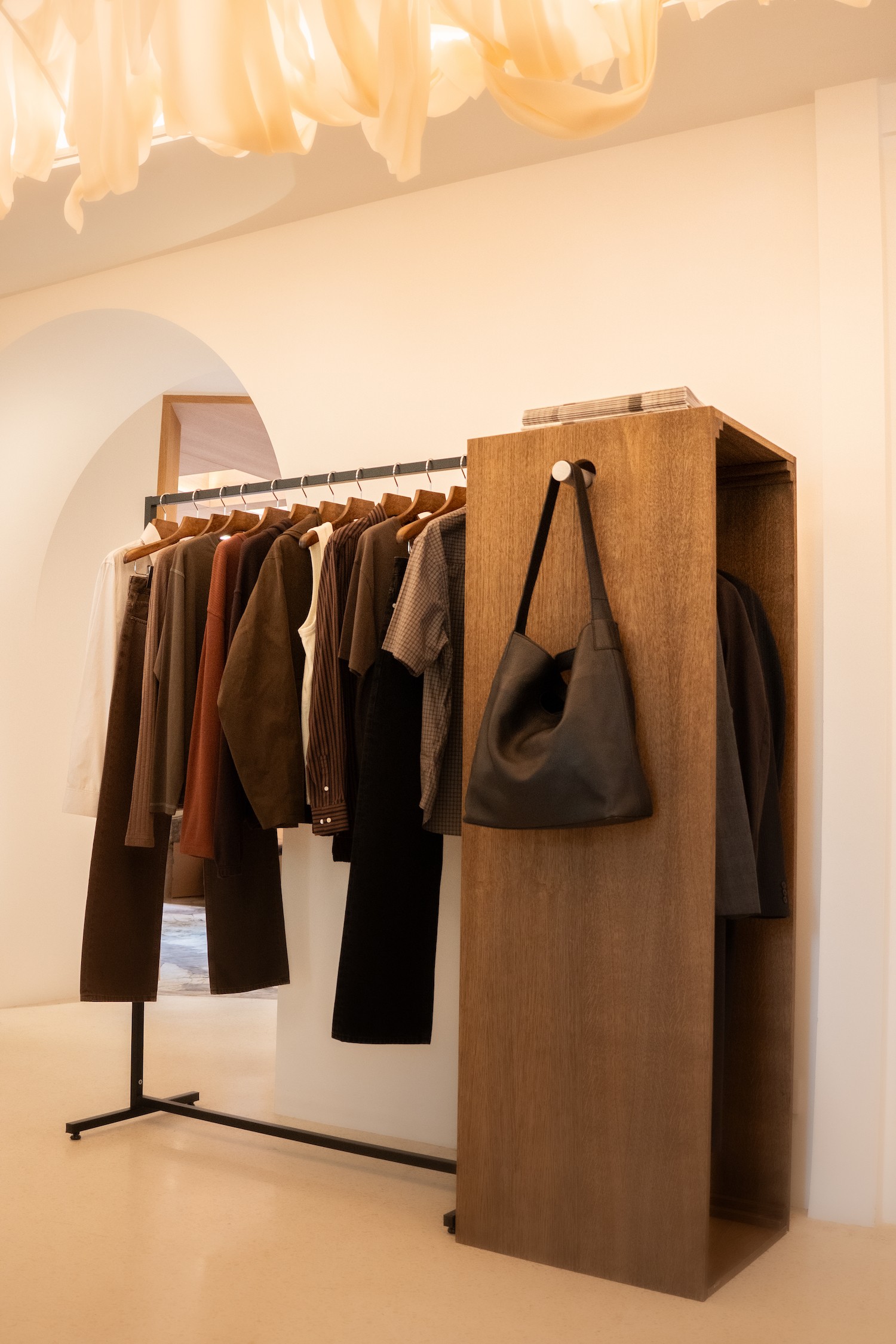
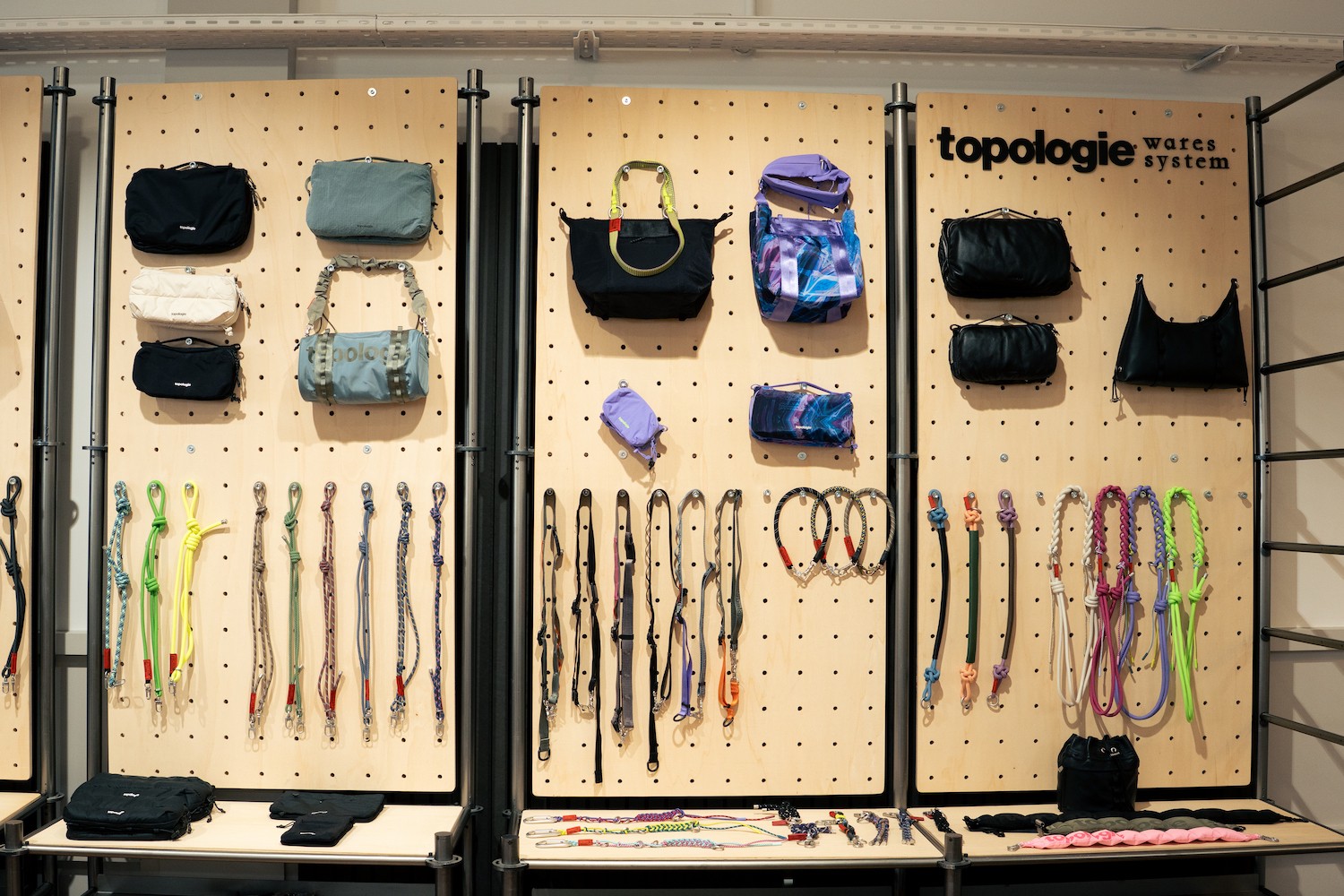
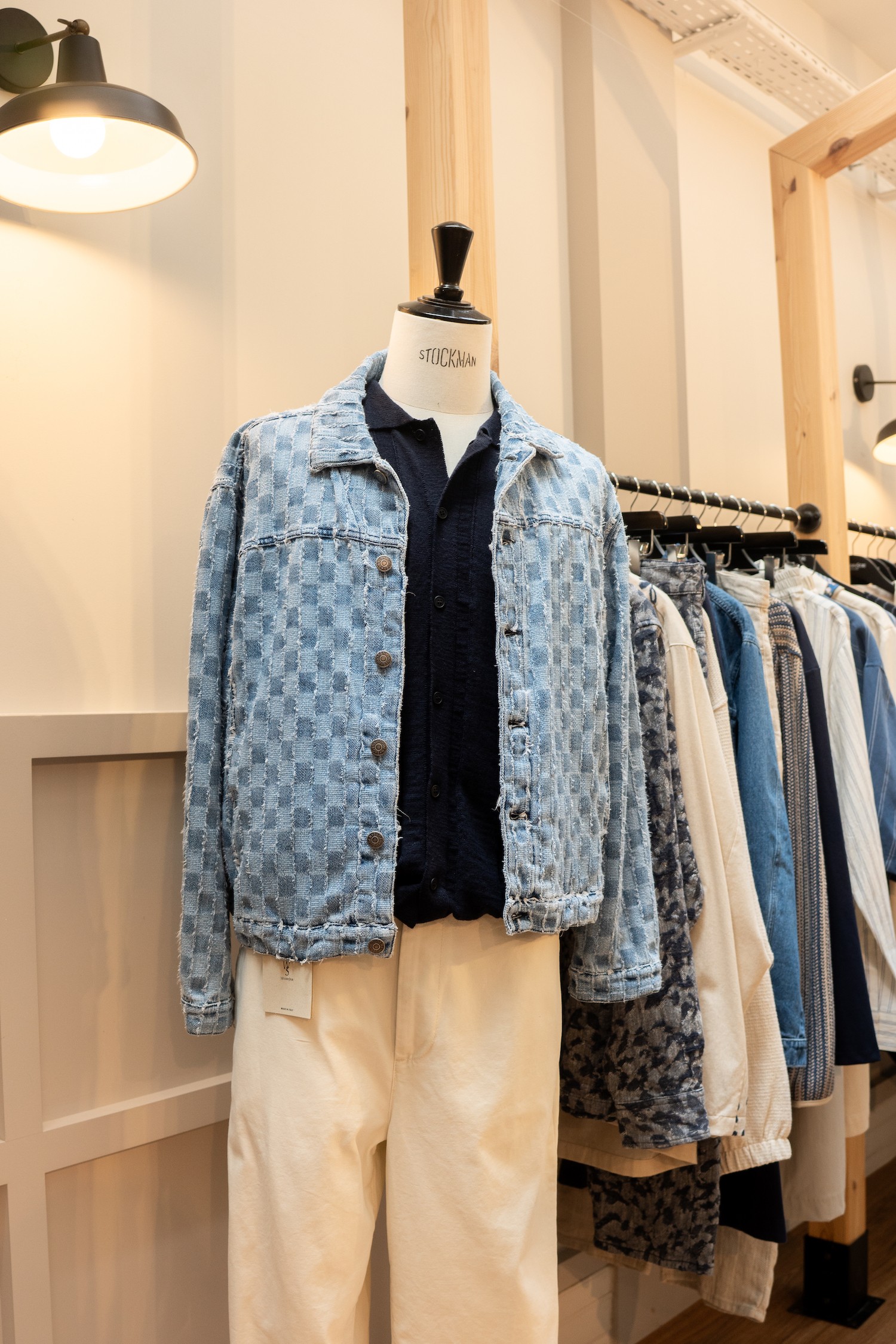
Several presentation fundamentals complete these main lines. A clean, tidy boutique, designed around the customer journey. Furniture adapted to the products: "A high or low rack has a different impact. When a whole collection is below chest level, it escapes the customer's eye." A good balance between folded and hung items. A real place given to accessories. And above all, always keep your personality: "You have to think of your boutique as a brand. Have personality—the store's personality, the founder's personality."

The role of the showroom in these balancing acts
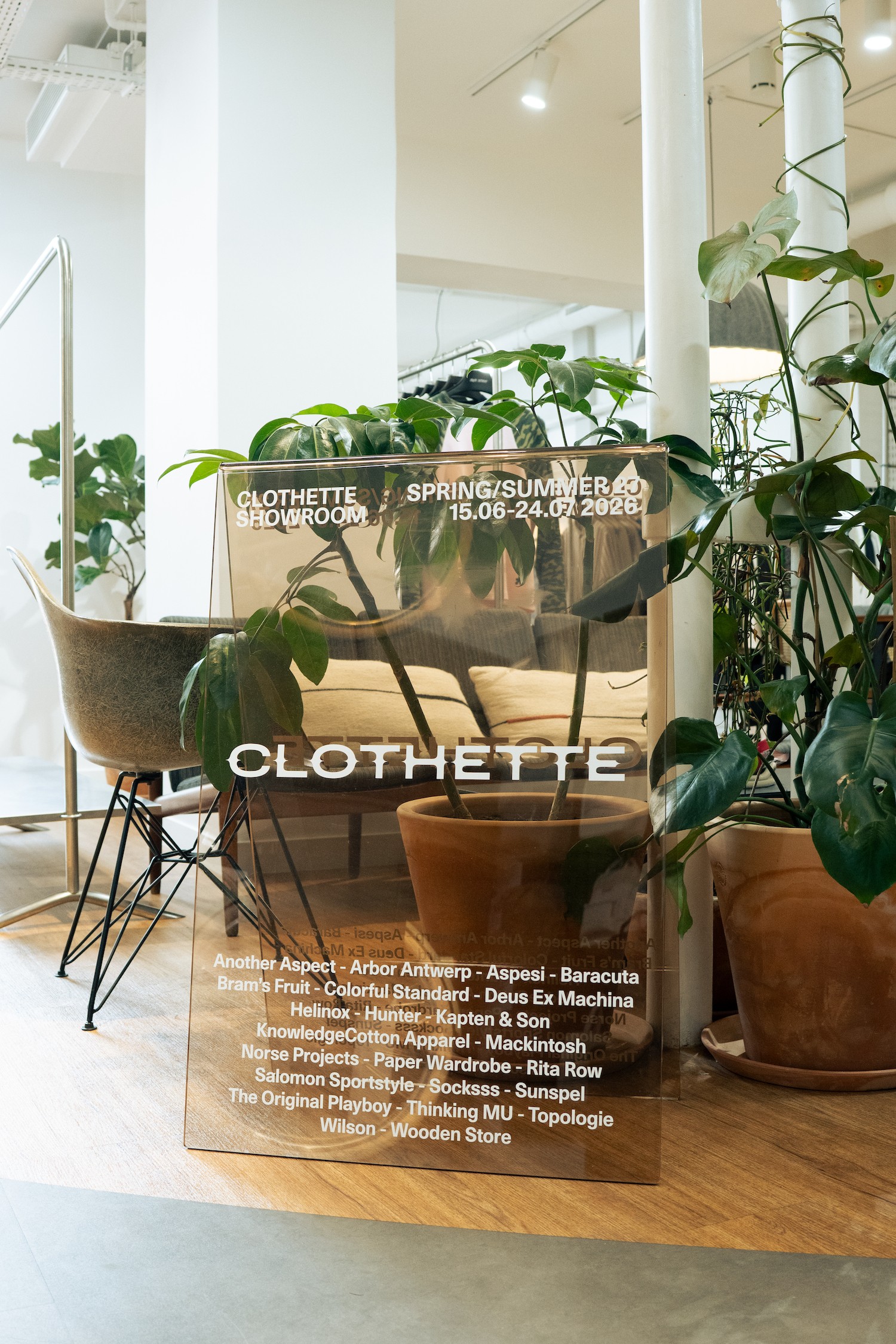
Many of these best practices are worked on upstream, right from the ordering stage. This is one of the roles a showroom like Clothette plays for its clients: helping to calibrate an assortment, identifying superficial depth in an offer, and supporting the coherence of a multi-brand selection. A great boutique is built with great partners.
To discuss your offering or discover the brands represented by Clothette, contact the team.
FAQ: fashion retail best practices
How do you properly balance your brand assortment in a boutique?
By limiting the number of references to maintain readability, while bringing enough depth to the brands you believe in to properly represent them and generate revenue.
Why should merchandising be updated regularly?
So that a customer discovers new items on every visit to the shop. Rotating racks, moving products, and changing the window display helps to bring back into the spotlight pieces that have already been in stock for several weeks or months.
How do you know if you have too many brands in your shop?
A clear sign: the inability to properly express each brand with enough product depth. If the offer seems cluttered and confusing, it is often a sign that there are too many brands for the available space.
Should you guide your purchases with data or with instinct?
Both. Statistics help to calibrate volumes by product category, but instinct remains essential for the strong pieces that create the identity of an independent boutique.
How does training the sales team affect sales?
A sales assistant who knows and believes in their selection sells it better. Closeness and advice are the primary competitive advantages of an independent retailer over fast fashion.



Take your brand further
Get the latest news and updates – No spam, we promise
